
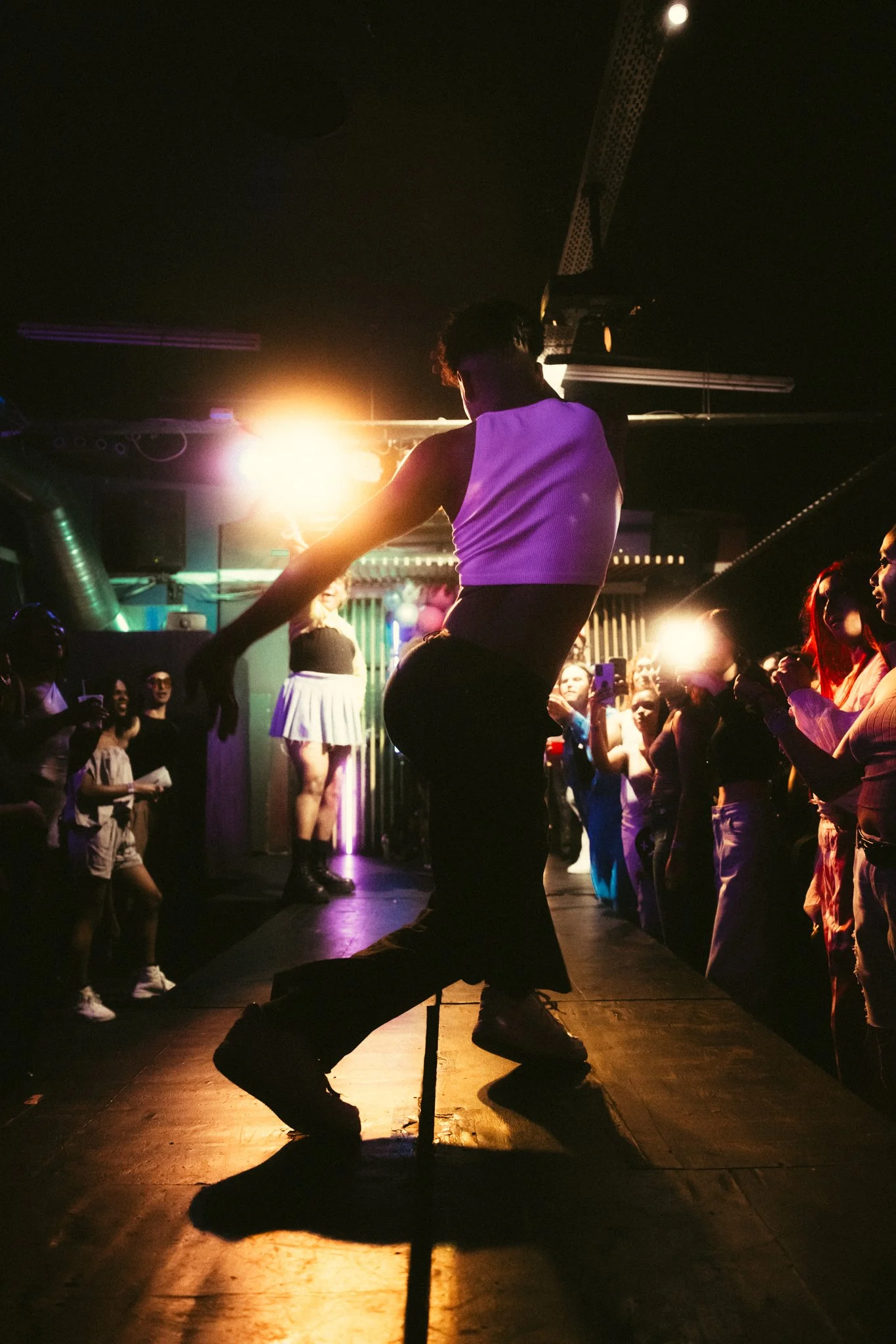
CAPE TOWN BALLROOM
We are at the epicentre of the documentation, development and preservation of the of queer Ballroom culture in Cape Town as a living heritage. Working in sustained collaboration with Ballroom leaders and community stakeholders, we have established a collaborative practice of archiving these vital spaces with dignity, care, and cultural accountability.
WHAT IS BALLROOM?
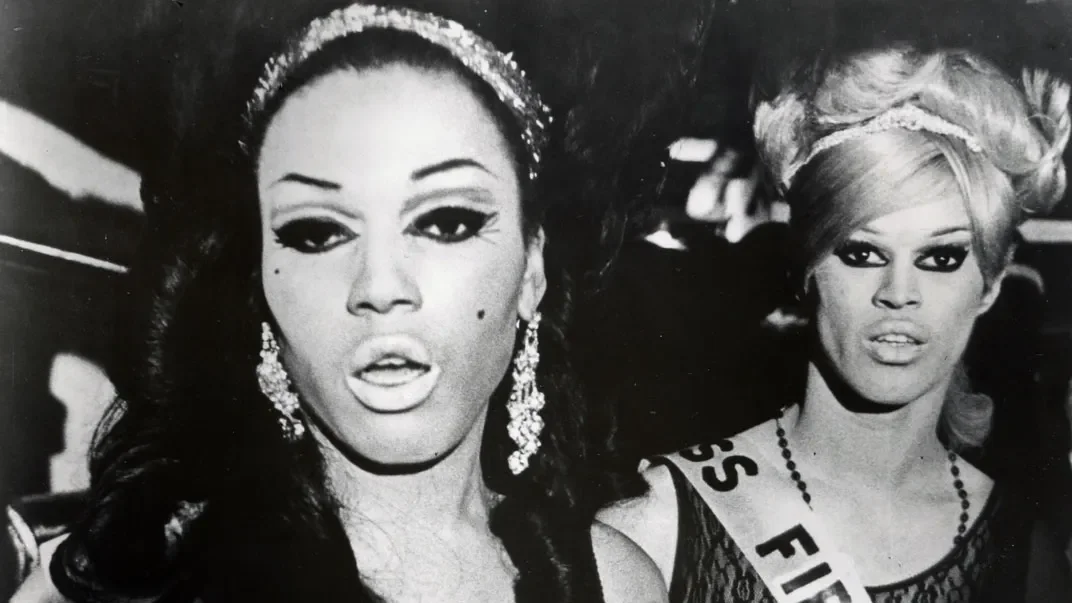
Crystal LaBeija (left) in a still from The Queen (1968), directed by Frank Simon. Grove Press/Photofest.
To understand Cape Town’s ballroom culture, we have to look back to New York City in the late 1960s and 70s. Black and Brown queer and trans people were systematically excluded and degraded by the racist drag pageant systems of the time. As response to this, they stopped asking for a seat at the table and built their own house.
It began with Crystal LaBeija. After walking out of a rigged pageant, she co-founded the House of LaBeija, hosting the first ball created explicitly by and for Black and Latina queens. This birthed the modern Ballroom scene.
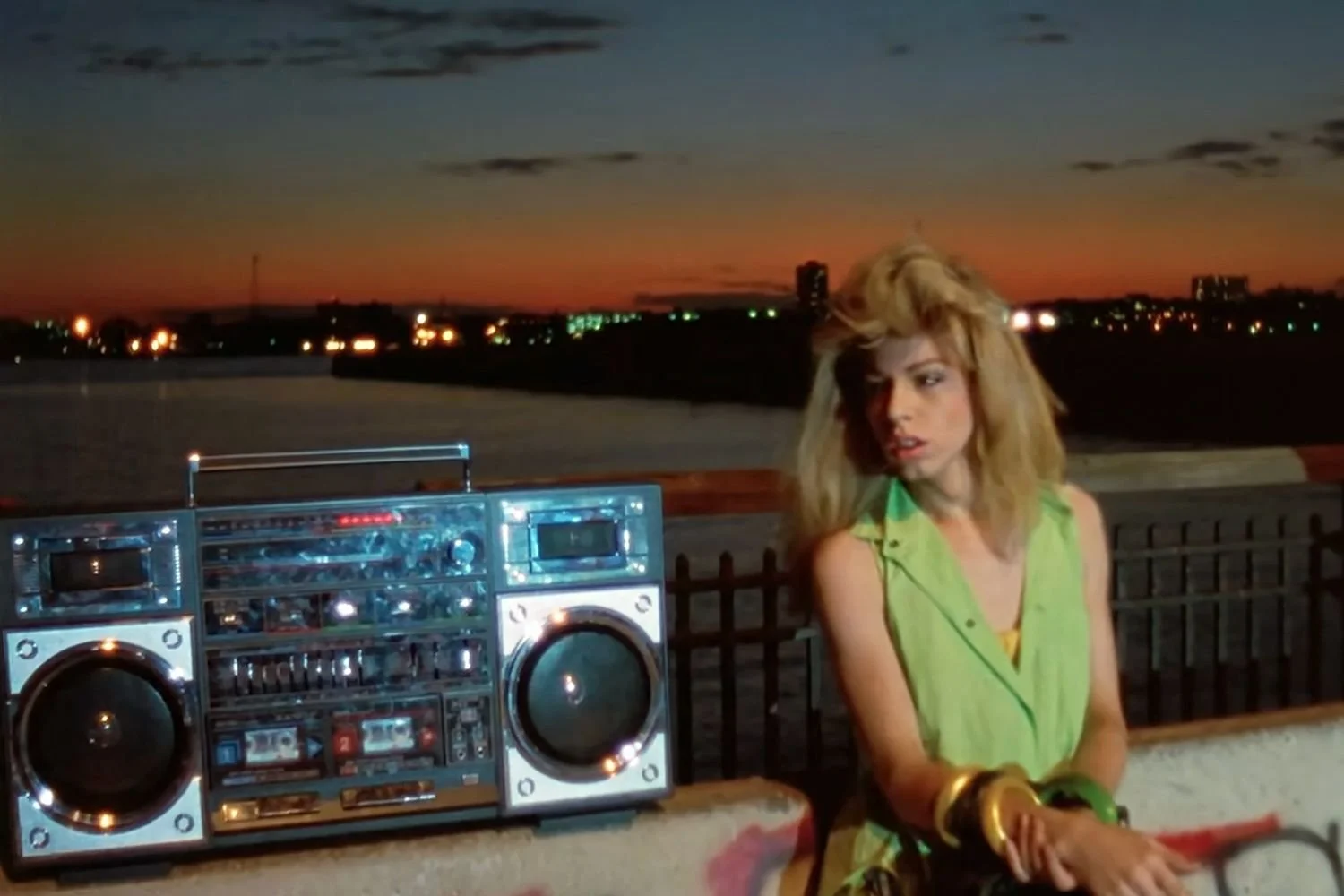
Venus Xtravaganza in ‘Paris Is Burning’ (1990). Jenny Livingston.
Following LaBeija, other foundational families formed — the House of Xtravaganza, House of Ninja, and House of Dupree.
Amid the fabulous parties and kikis, Ballroom has always been about survival. In a world that offered violence and rejection, "Houses" became chosen families led by Mothers and Fathers. They provided safety, housing, mentorship, and a sacred space where queer and trans people could claim autonomy, dignity, and joy.
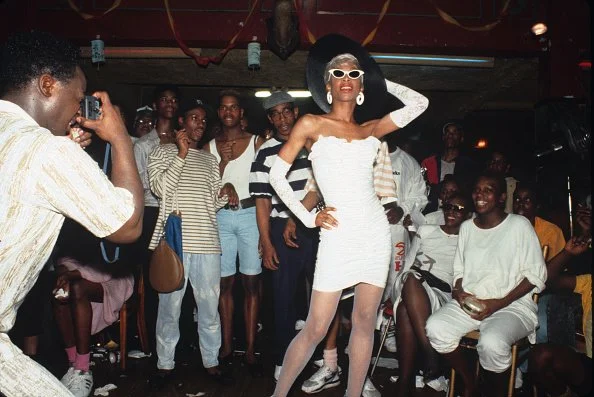
Octavia St. Laurent at a Ball in New York City (1988). Catherine McGann.
THE CAPE TOWN BALLROOM SCENE
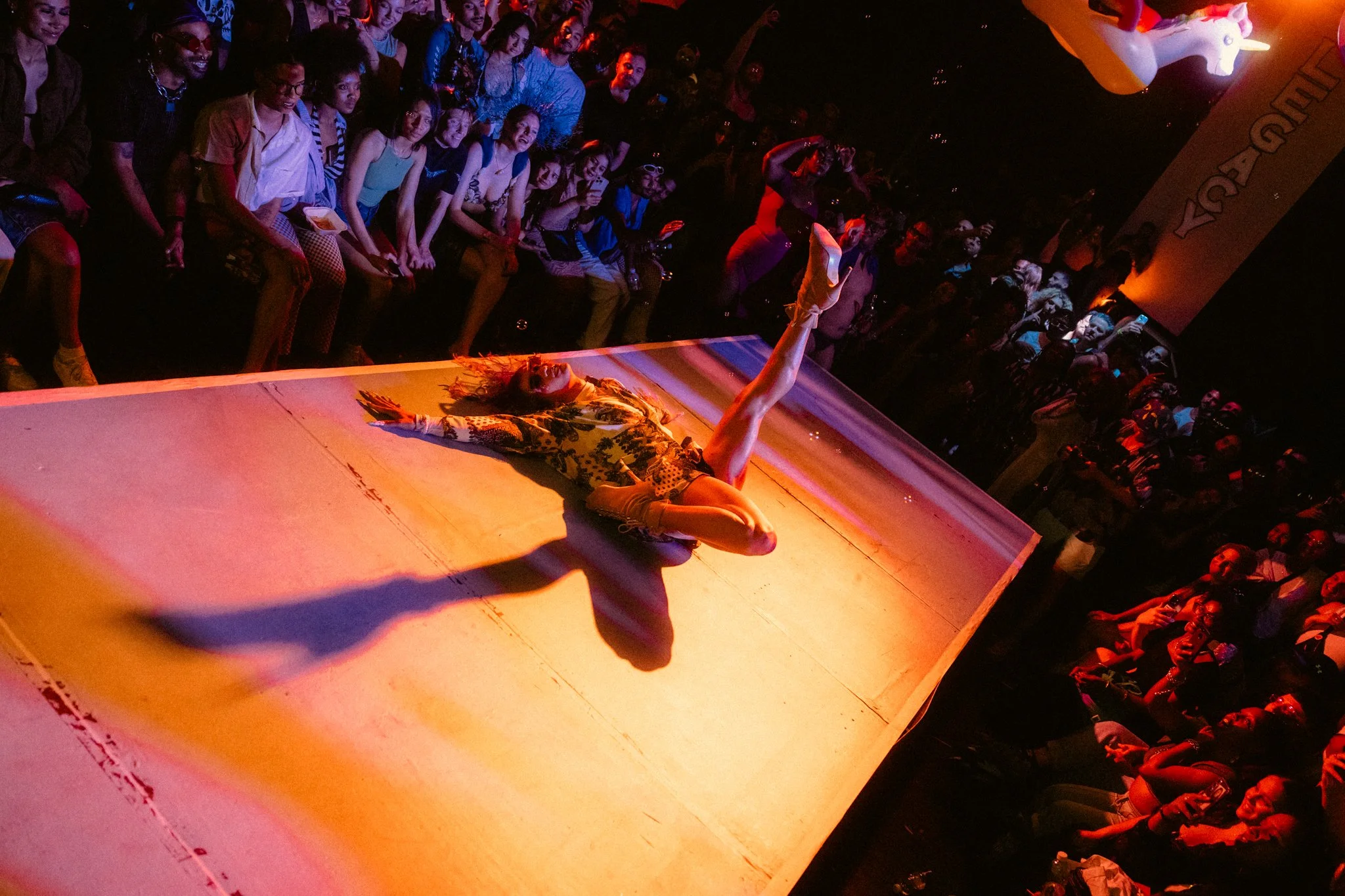
Cheshire Vineyard at Legacy: Beach Ball (2025). Zoey Black.
Our local scene’s foundation was laid by the late, legendary Kirvan Fortuin — Mother Kirvan Le Cap. Kirvan was an incredible artist and fierce LGBTQIA+ activist. They brought the culture home and founded the House of Le Cap in 2017 as South Africa’s first official Ballroom house. Kirvan used the ballroom floor to raise awareness for trans health, fund HIV/AIDS initiatives, and offer a lifeline to queer youth.
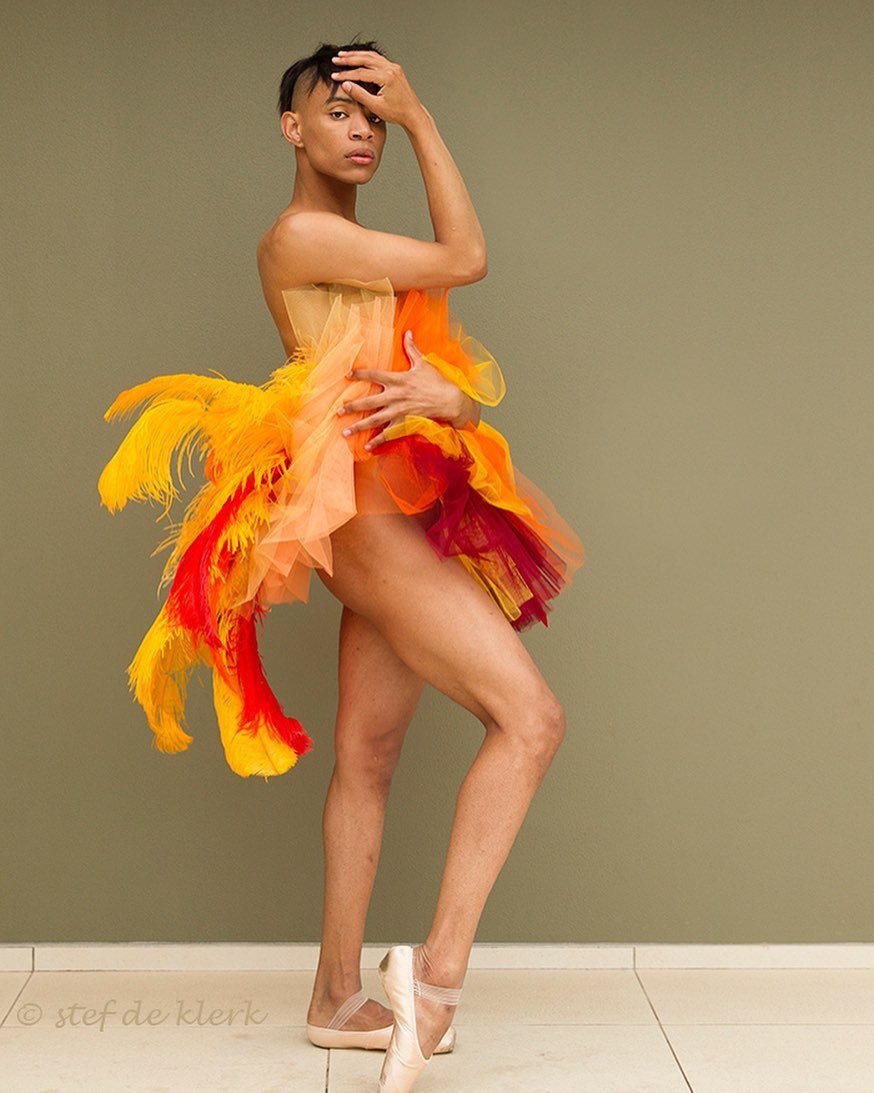
Kirvan Le Cap pictured in ‘I’m like a bird’ (2020). Stef de Klerk.
Following Mother Kirvan’s tragic murder in 2020, the community came together and collectively nurtured the scene. Today, Cape Town Ballroom is experiencing a massive evolution. Platforms like the Spectrum and Legacy have turned underground functions into the architectural backbone of our queer community. We are seeing a boom in both the Main Scene and the Kiki Scene.
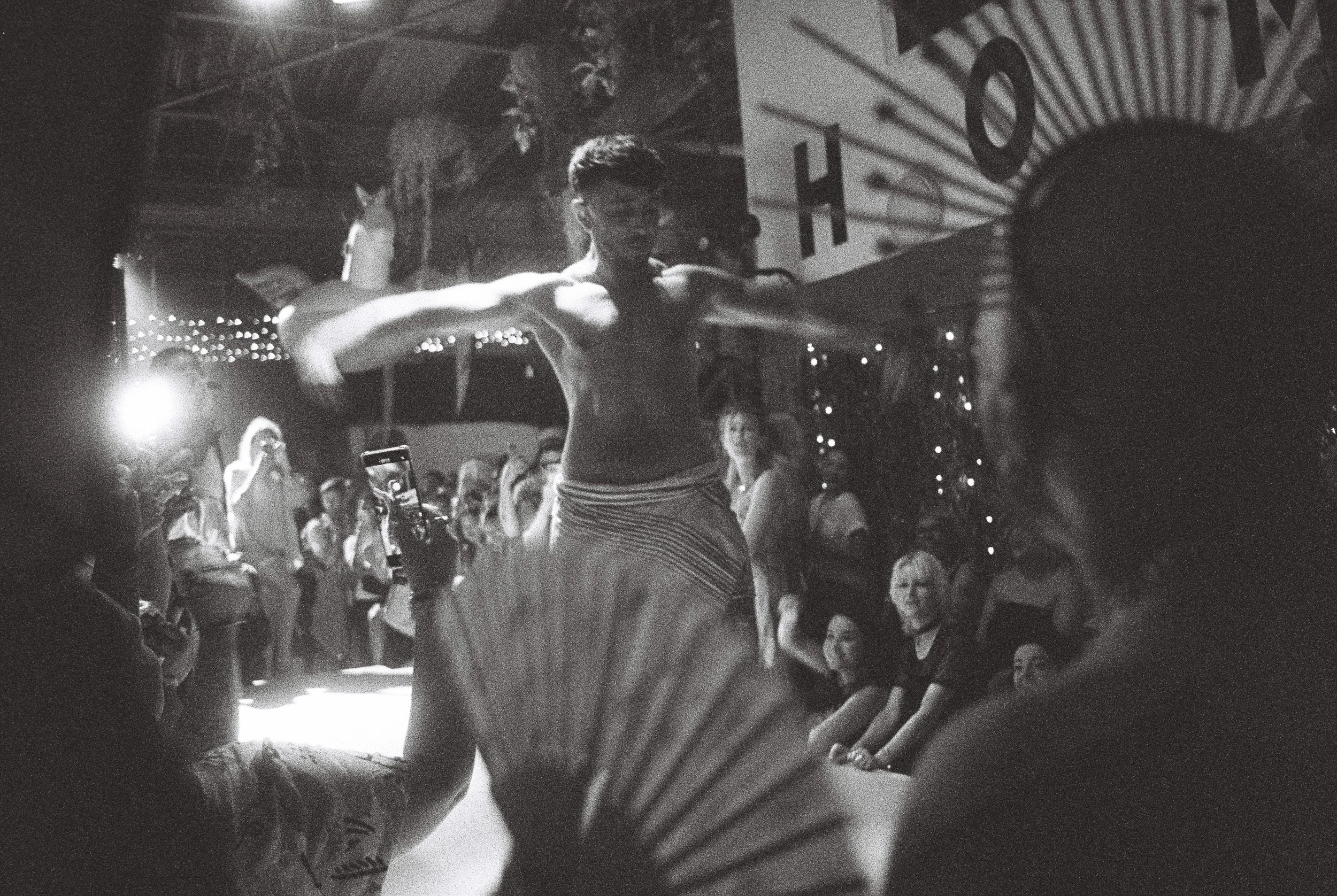
Gabe LaBeija at Legacy: Beach Ball (2024). Zoey Black.
THE BALLROOM ARCHIVE
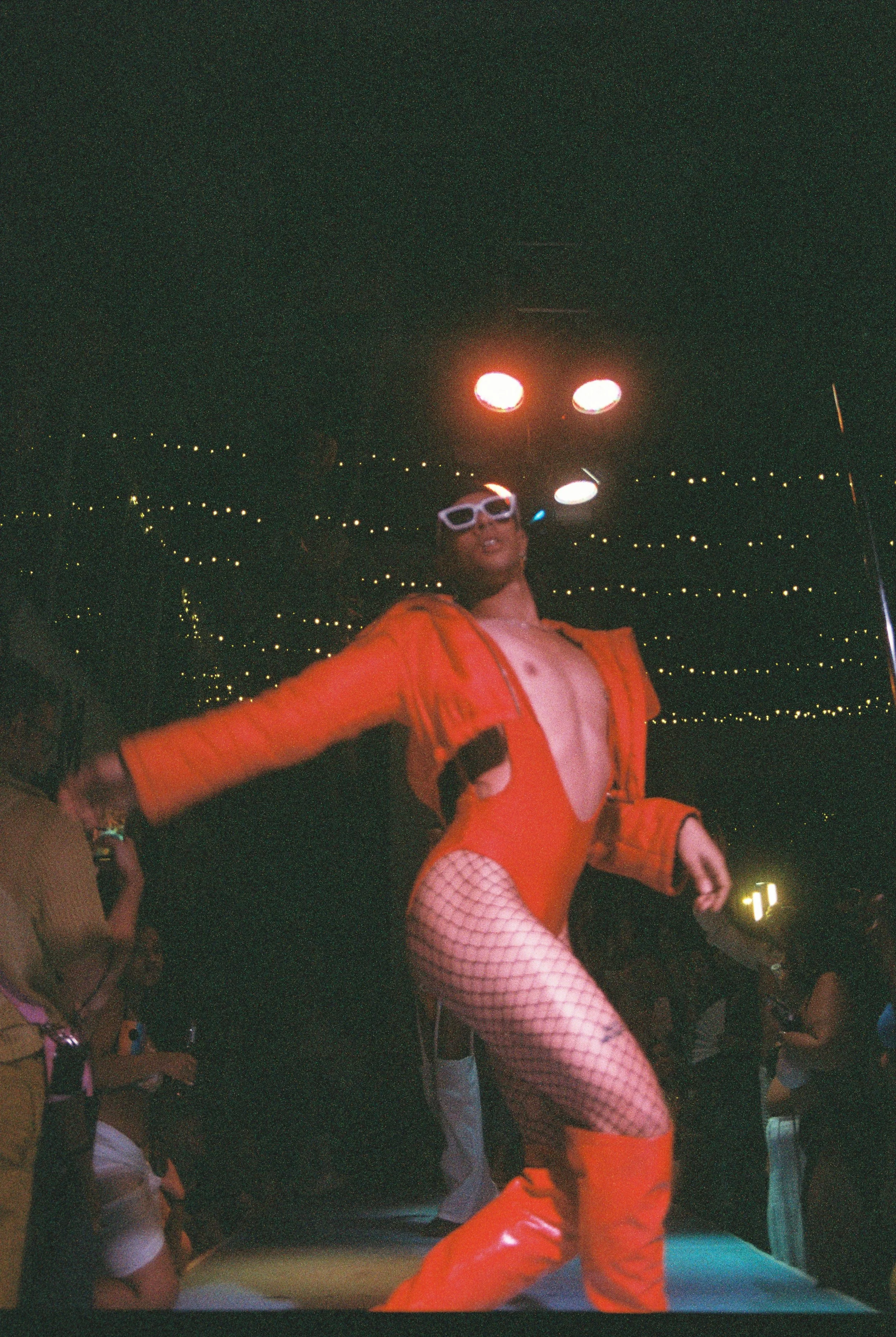
Spectrum: Beach Ball, 2024. Zoey Black.
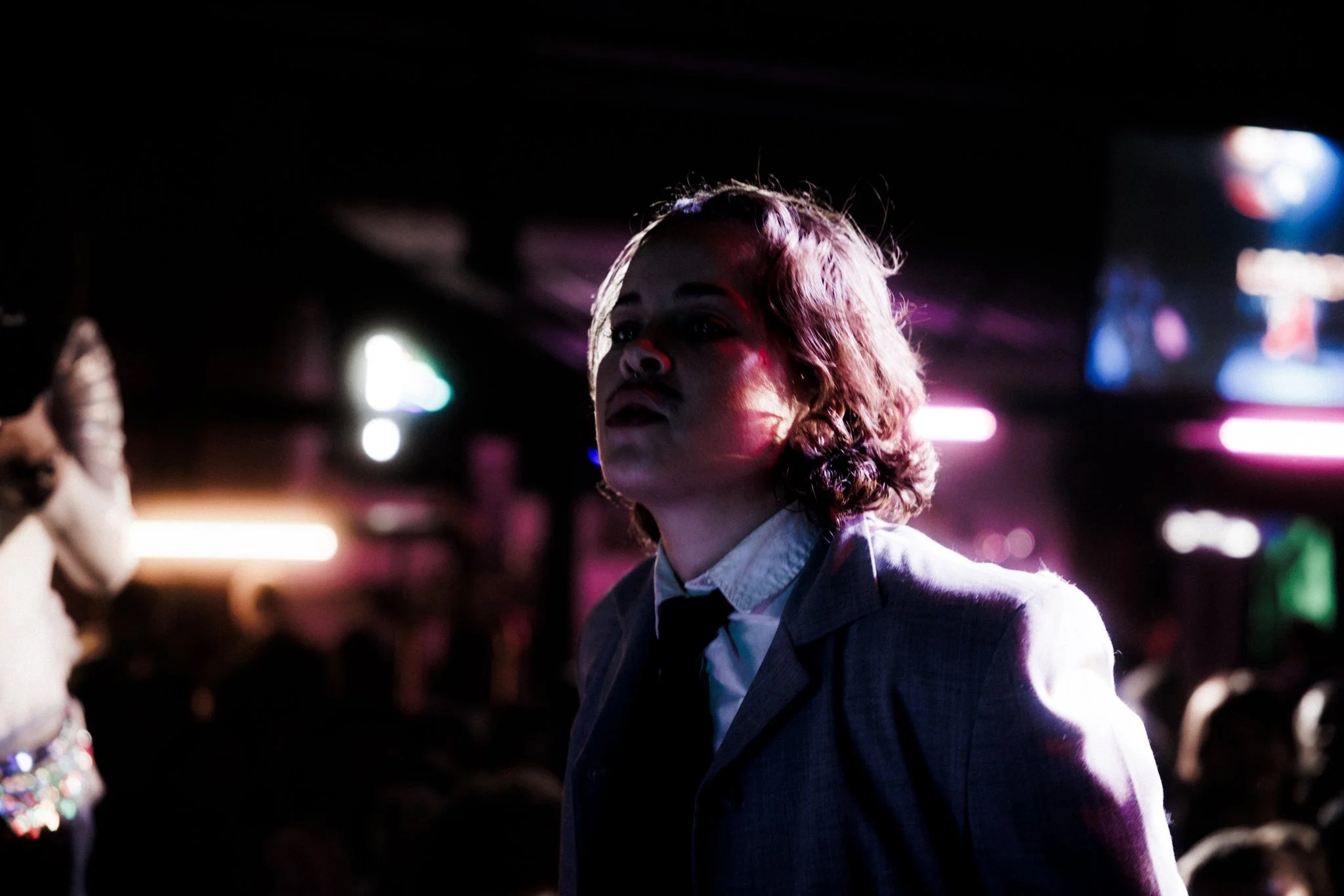
Legacy: Crystal Ball, 2025. Zoey Black.
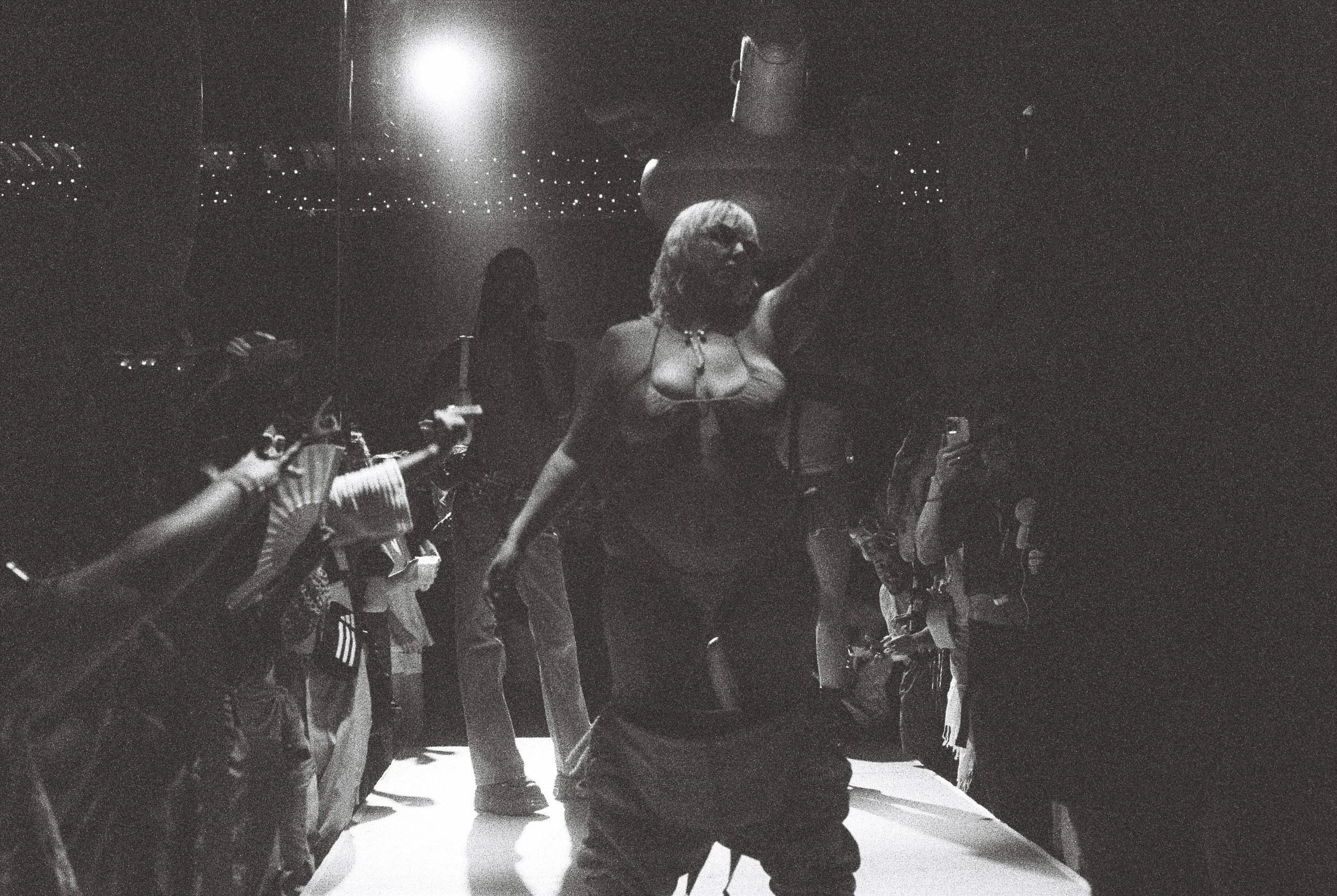
Spectrum: Beach Ball, 2024. Zoey Black.
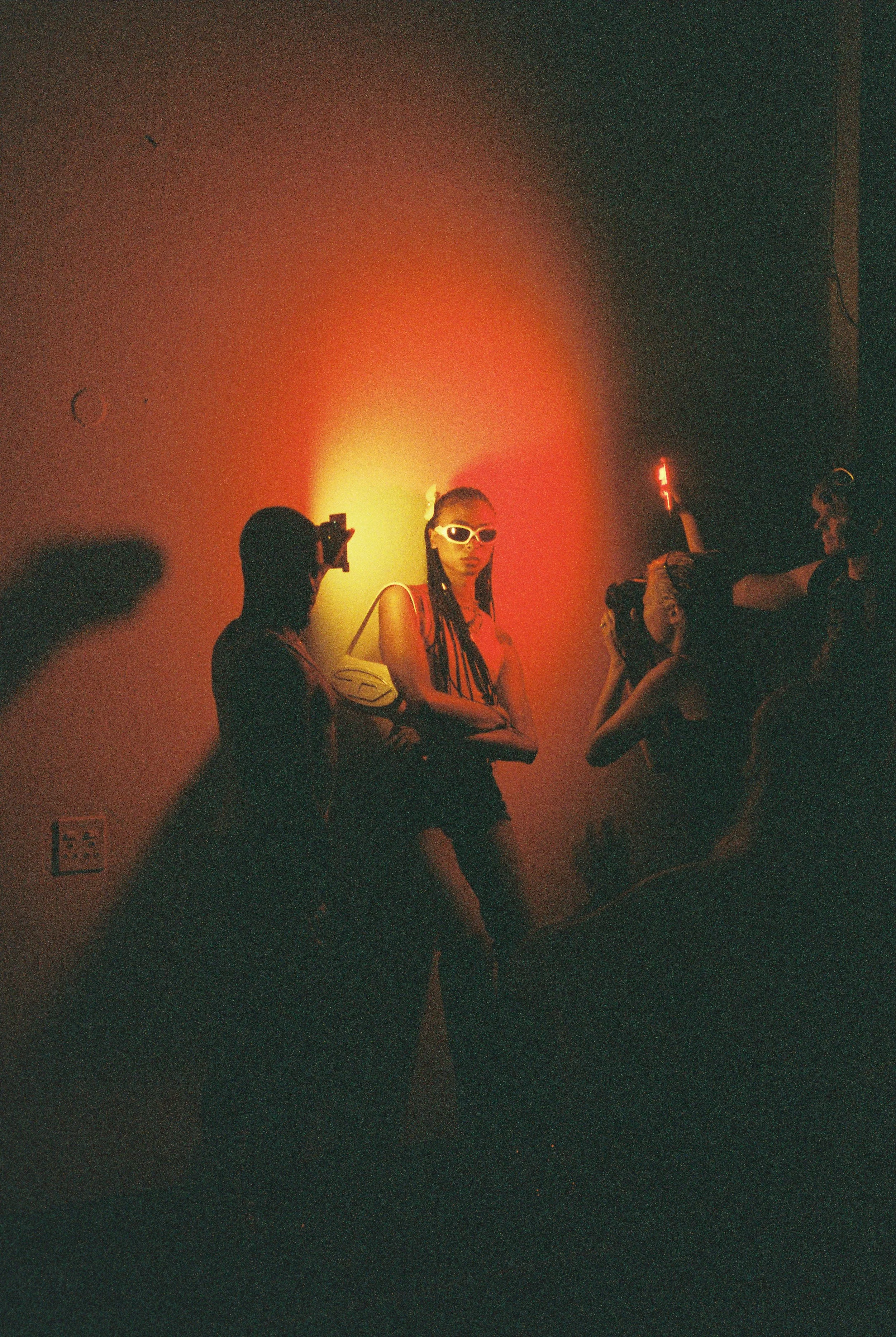
Spectrum: Beach Ball, 2024. Zoey Black.
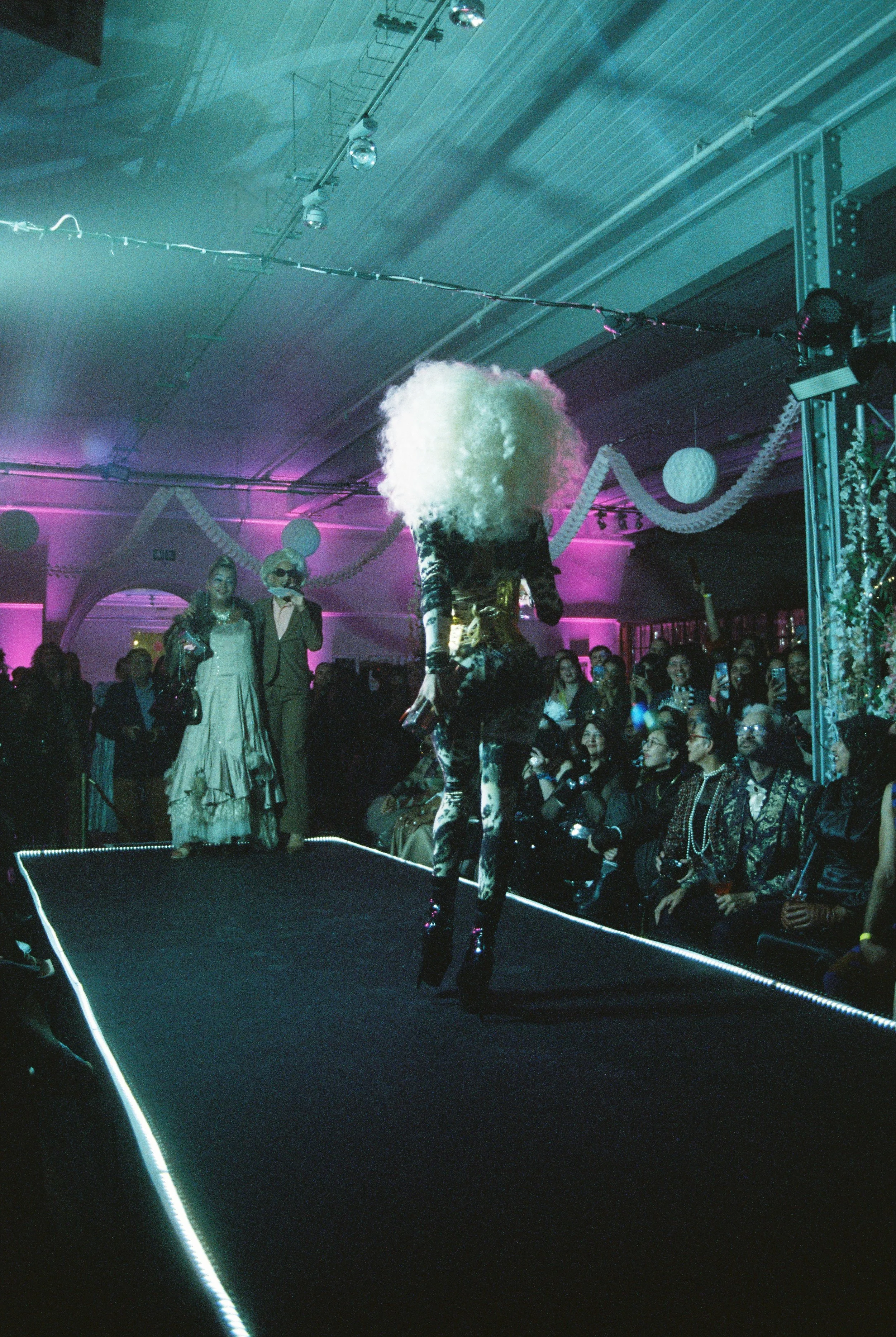
Salon Kewpie: The Legacy Ball, 2024. Zoey Black.
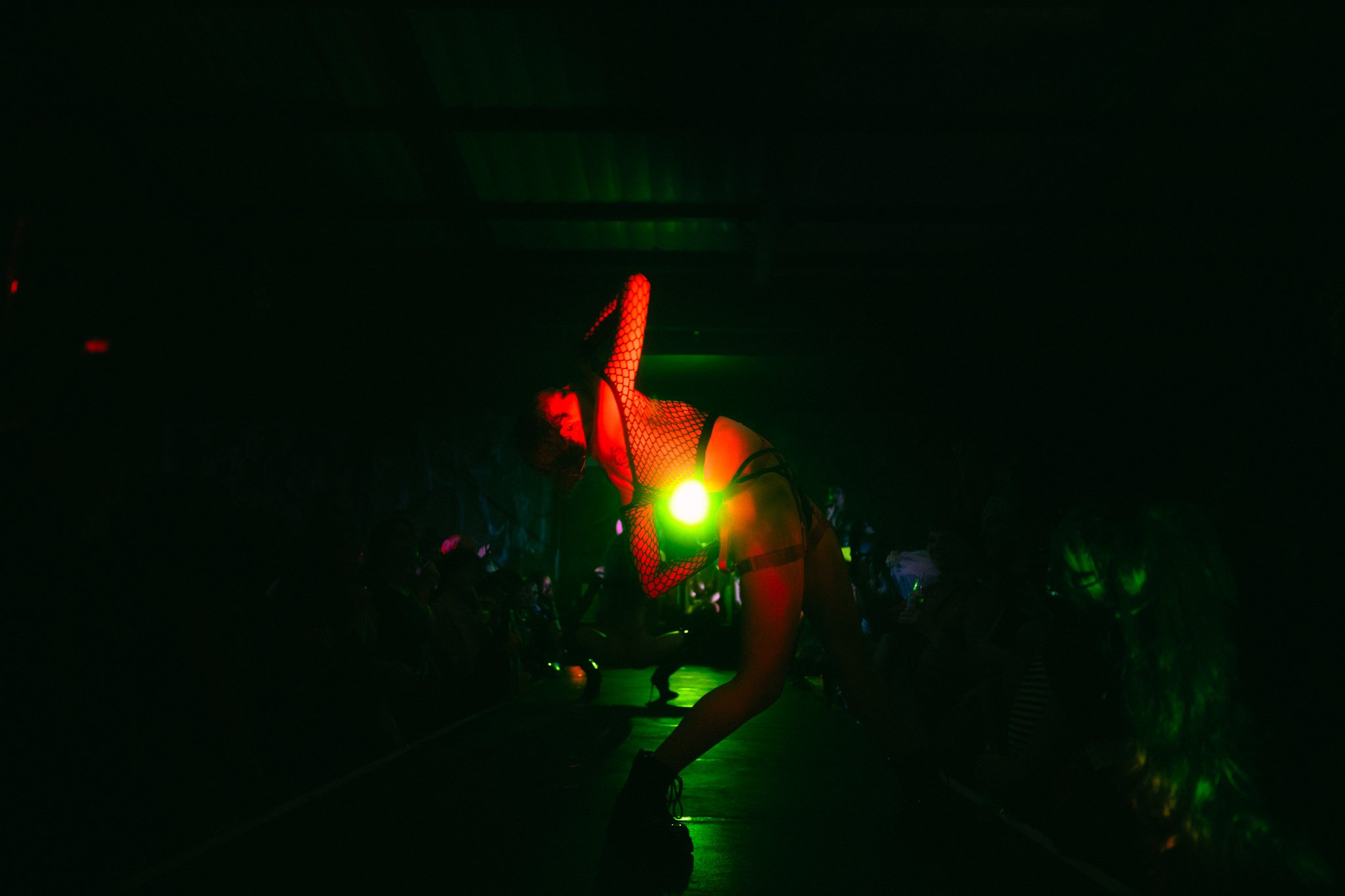
Legacy Resurrection Ball
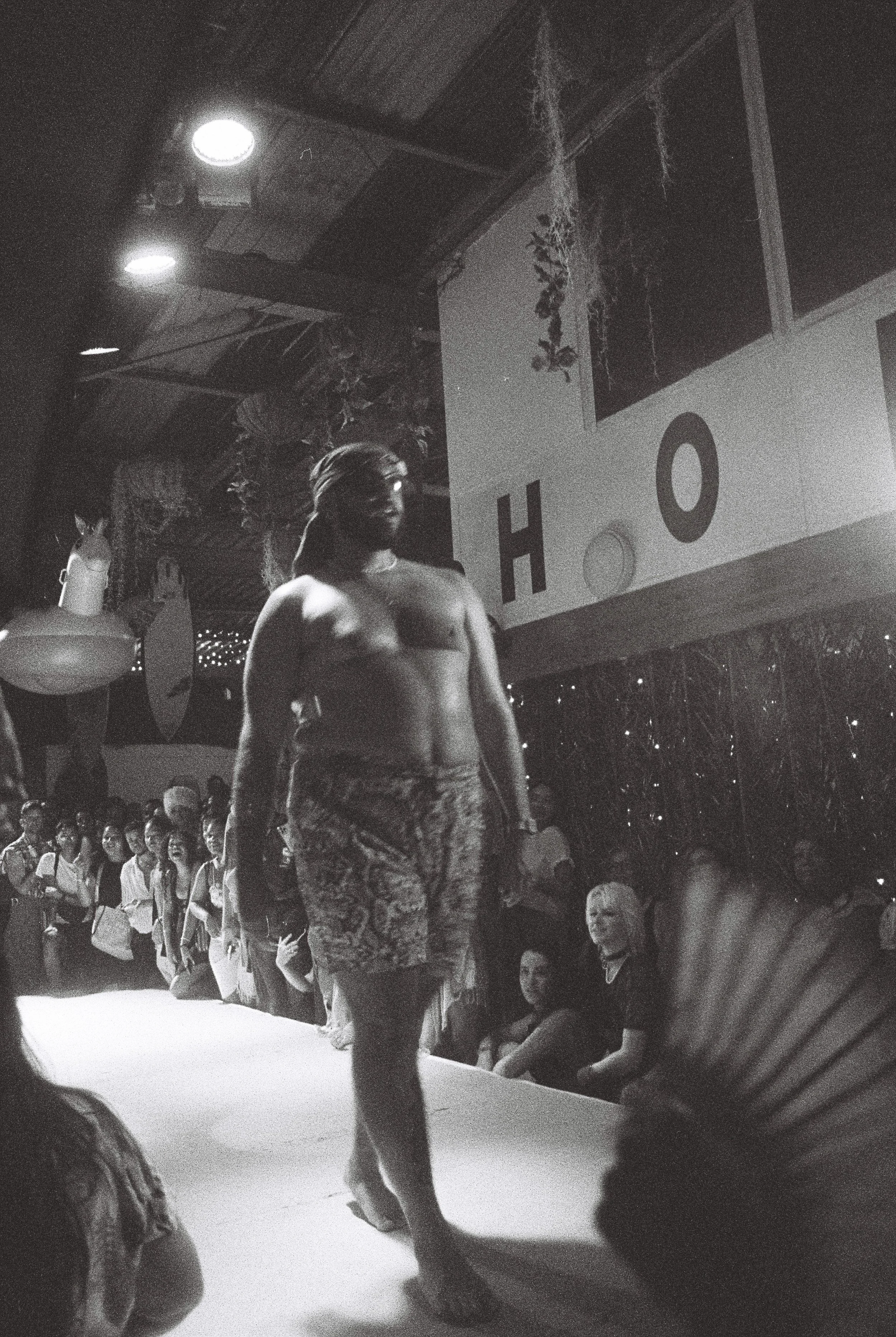
Spectrum: Beach Ball, 2024. Zoey Black.
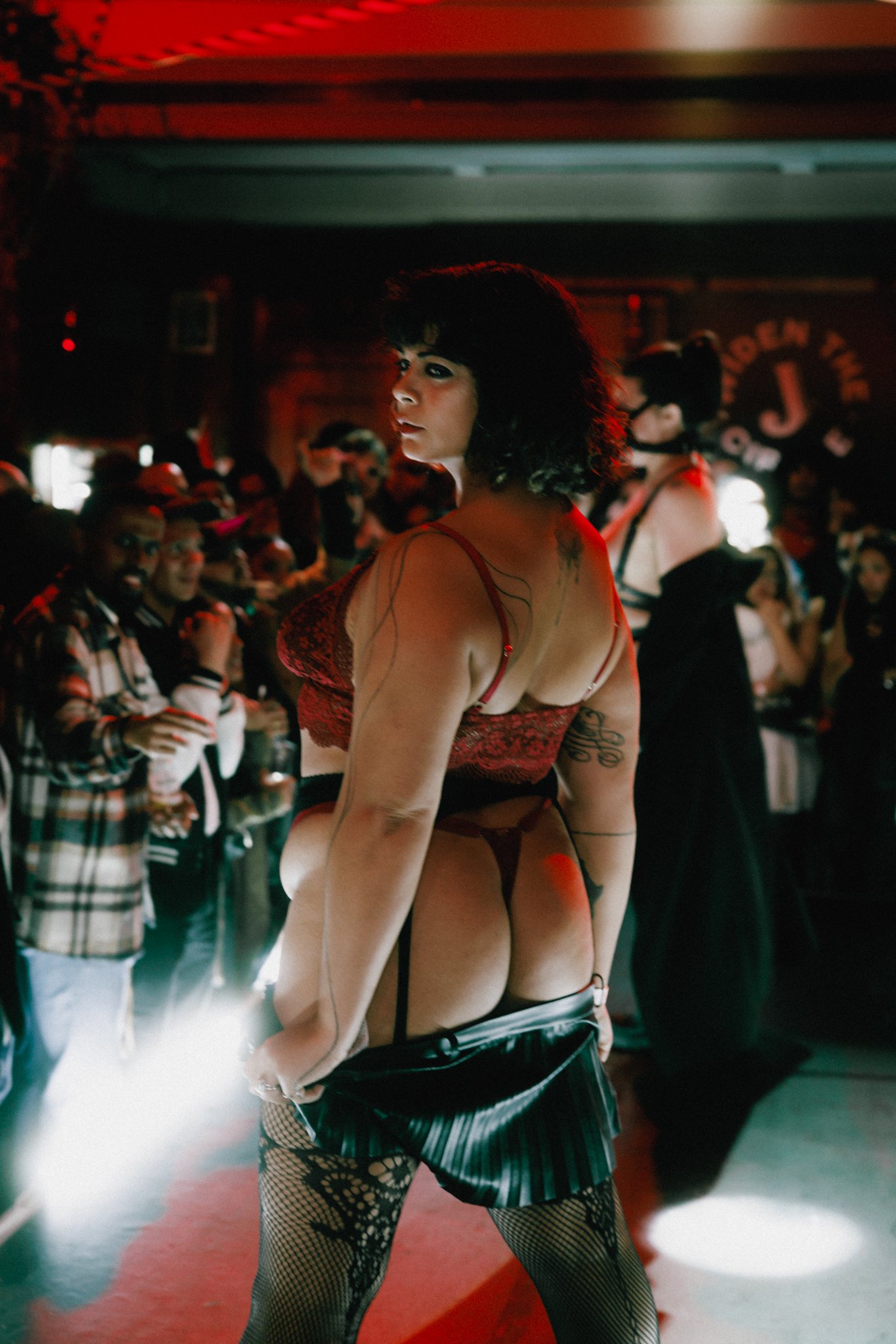
House of Vlam: Vlamageddon Ball, 2025. Zoey Black.
Spectrum: Beach Ball, 2024. Zoey Black.
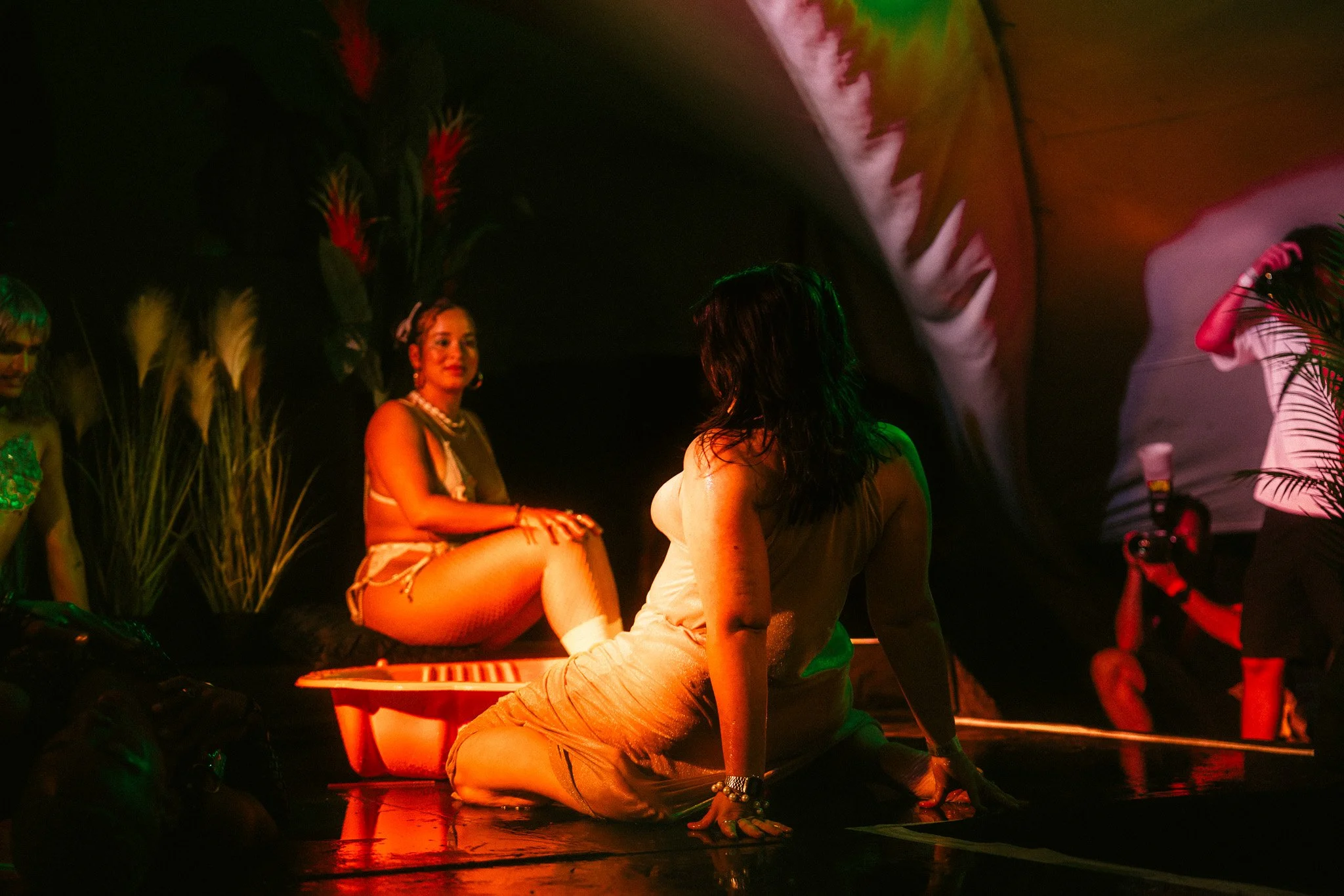
Mother City Queer Project (MCQP), 2024. Zoey Black.
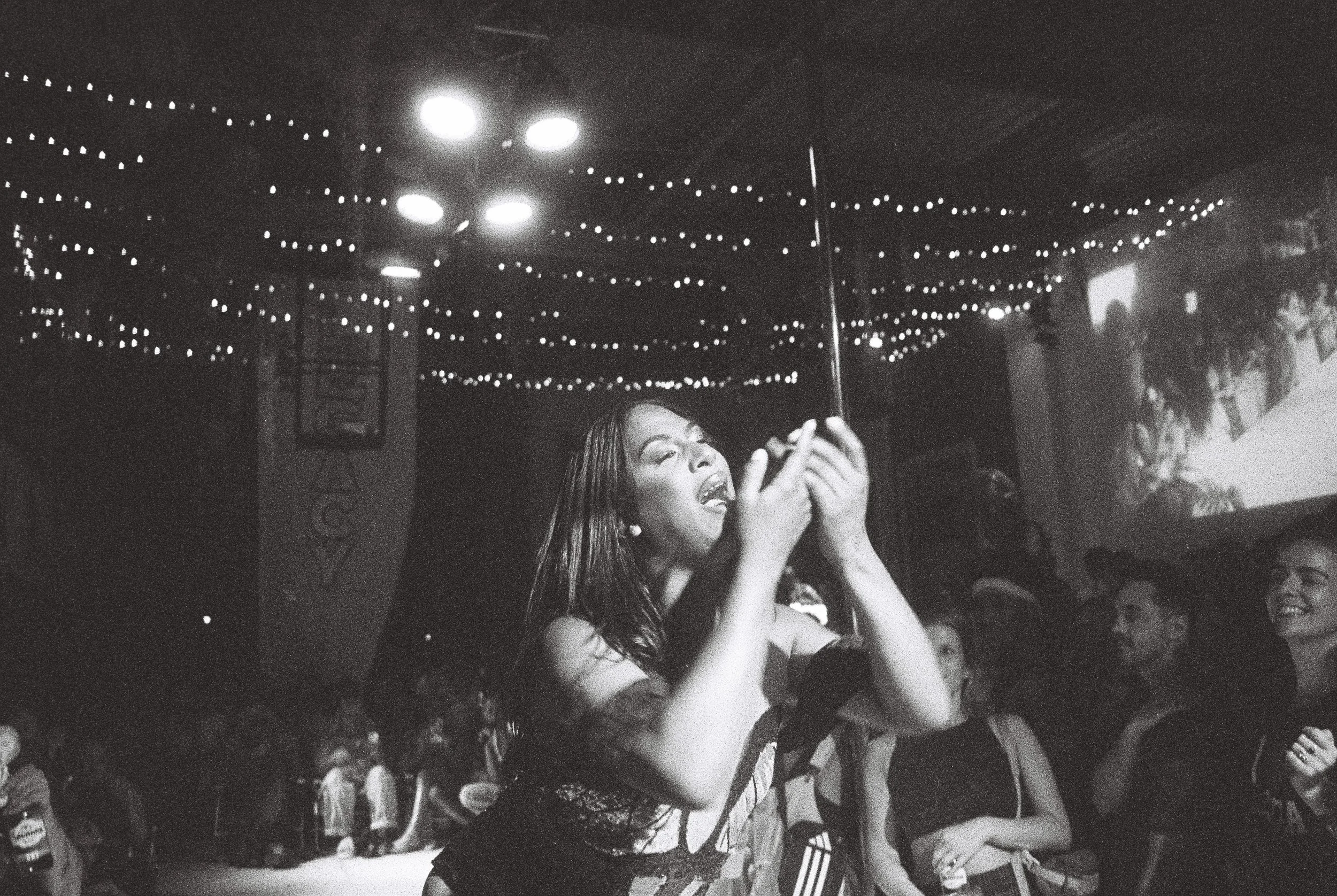
Spectrum: Beach Ball, 2024. Zoey Black.
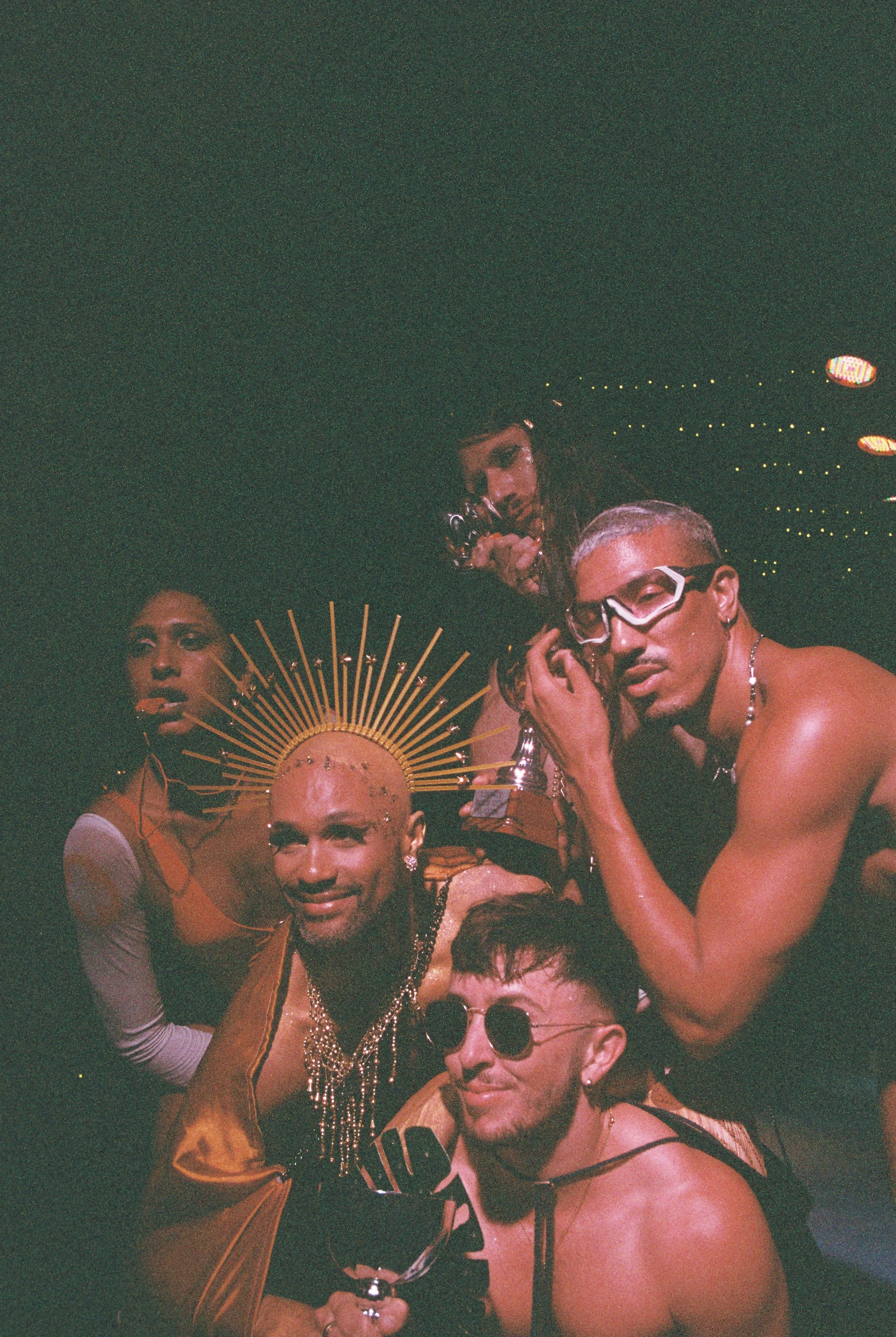
Spectrum: Beach Ball, 2024. Zoey Black.
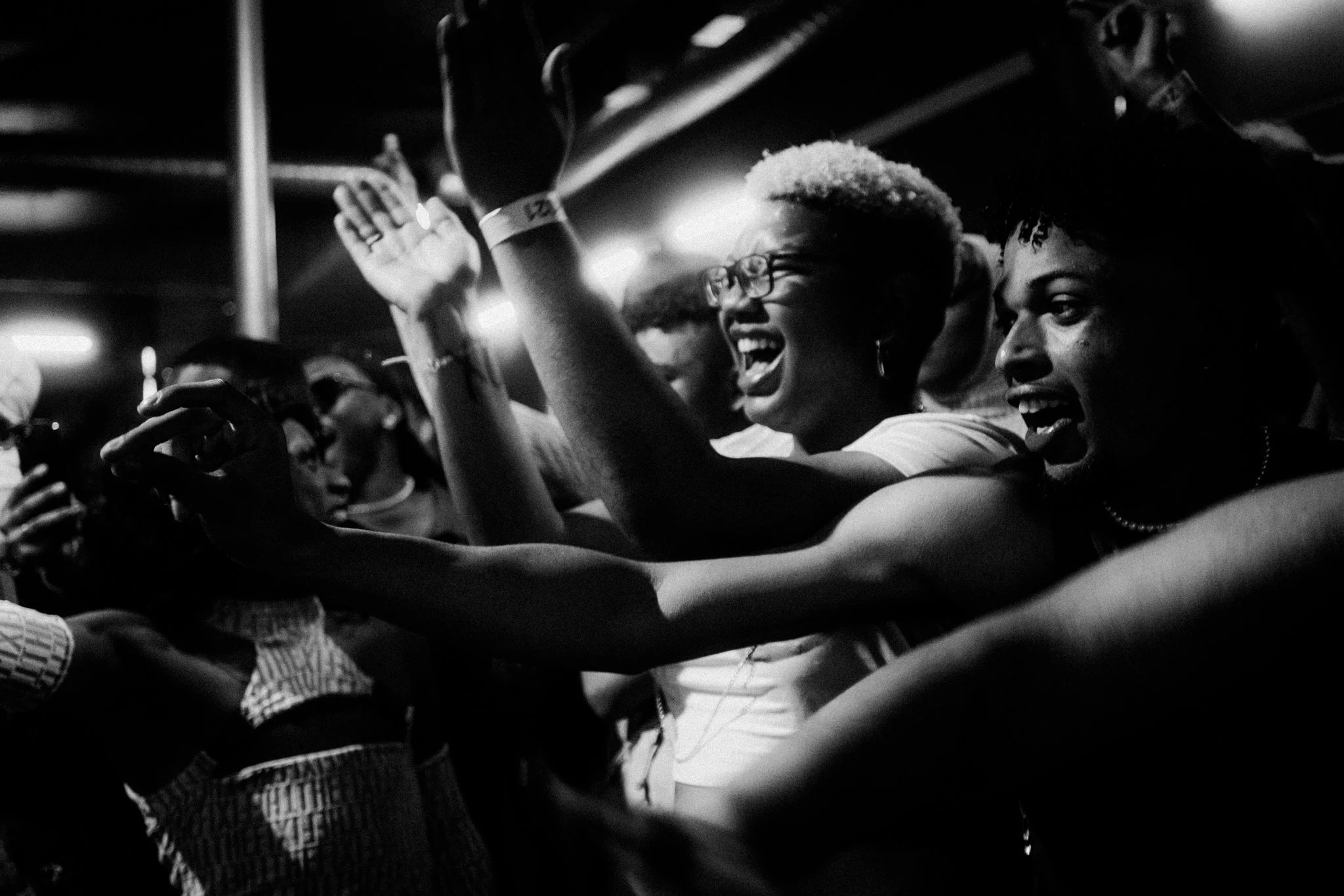
Mamma B's Birthday Ball, 2024. Zoey Black.
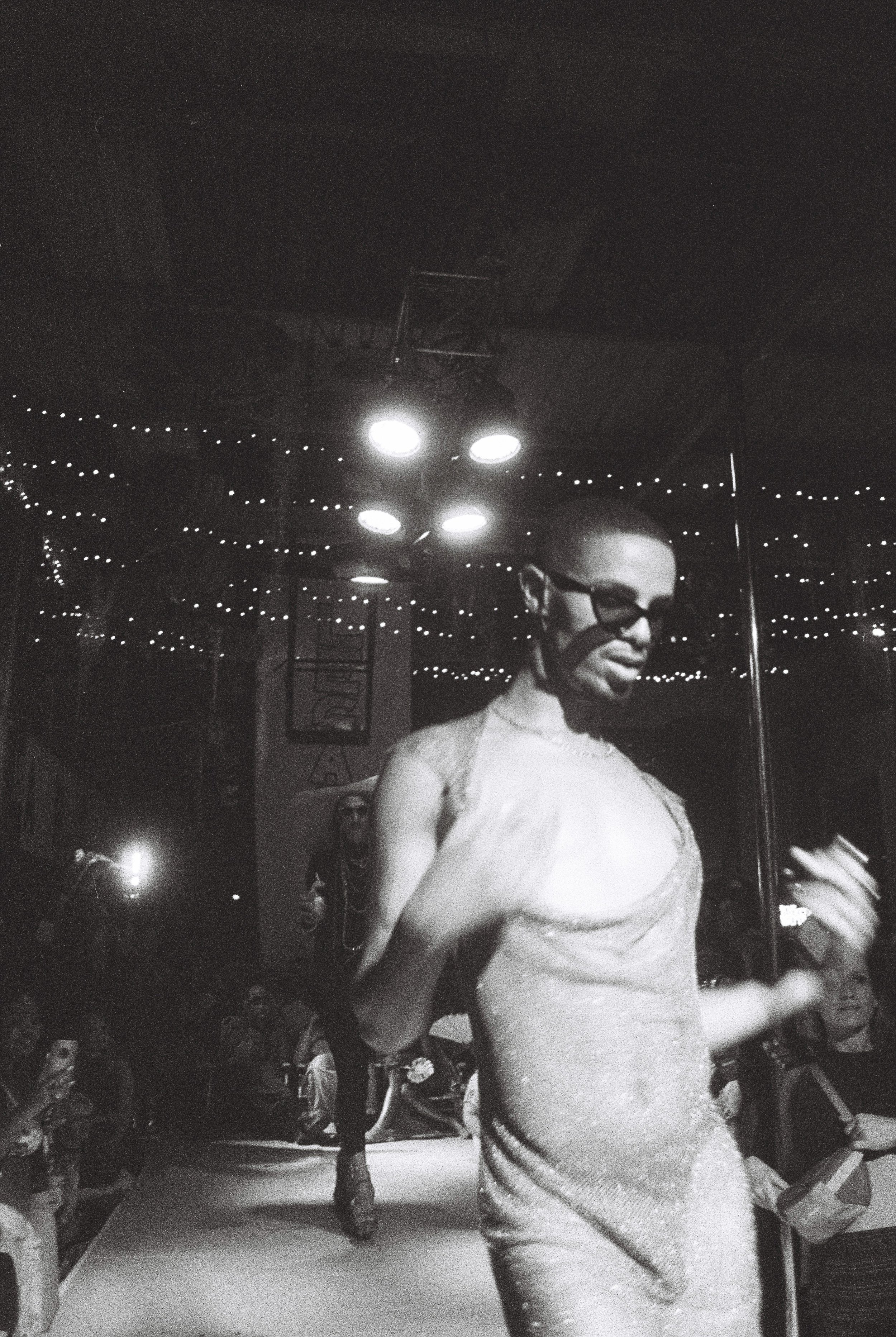
Spectrum: Beach Ball, 2024. Zoey Black.
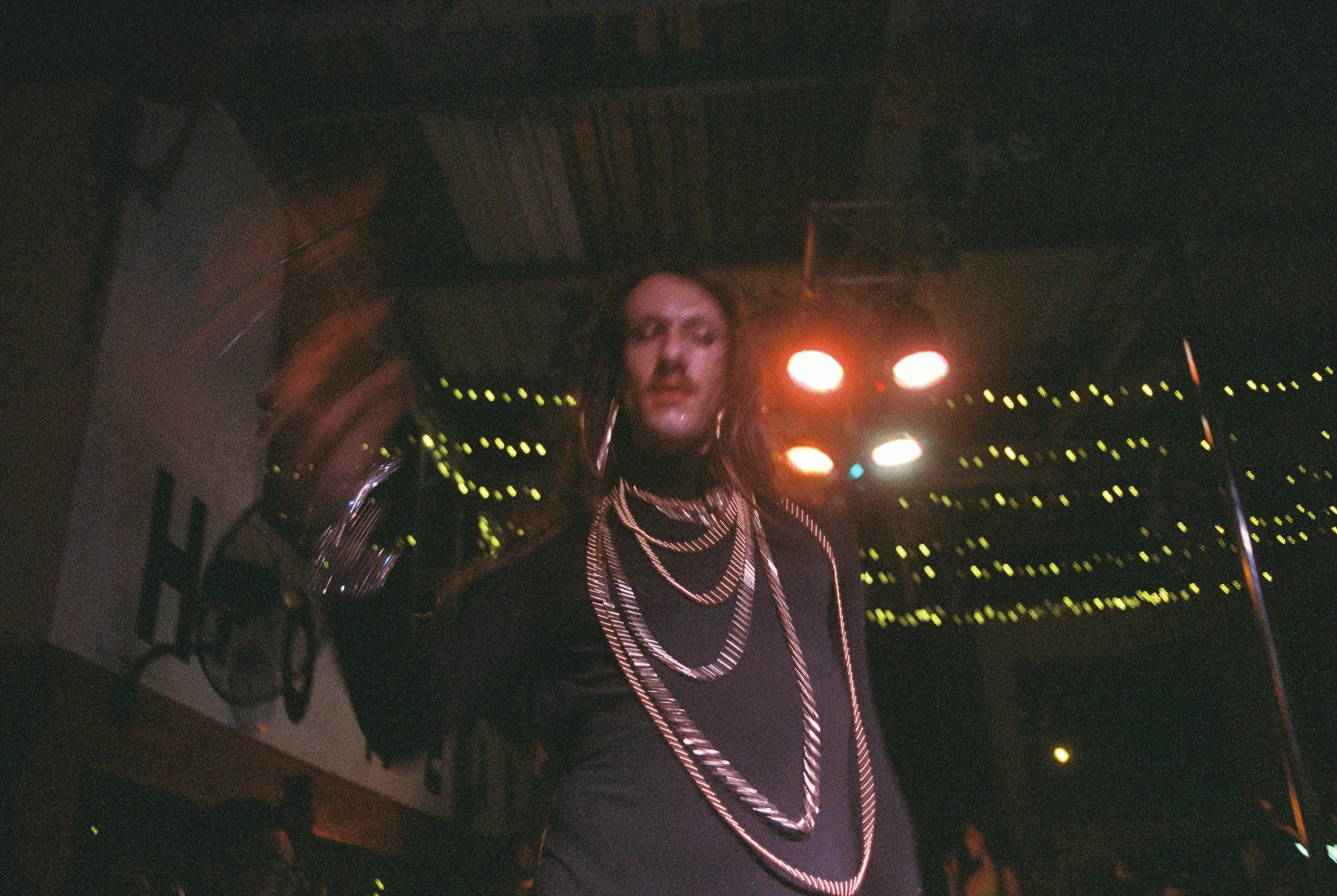
Spectrum: Beach Ball, 2024. Zoey Black.
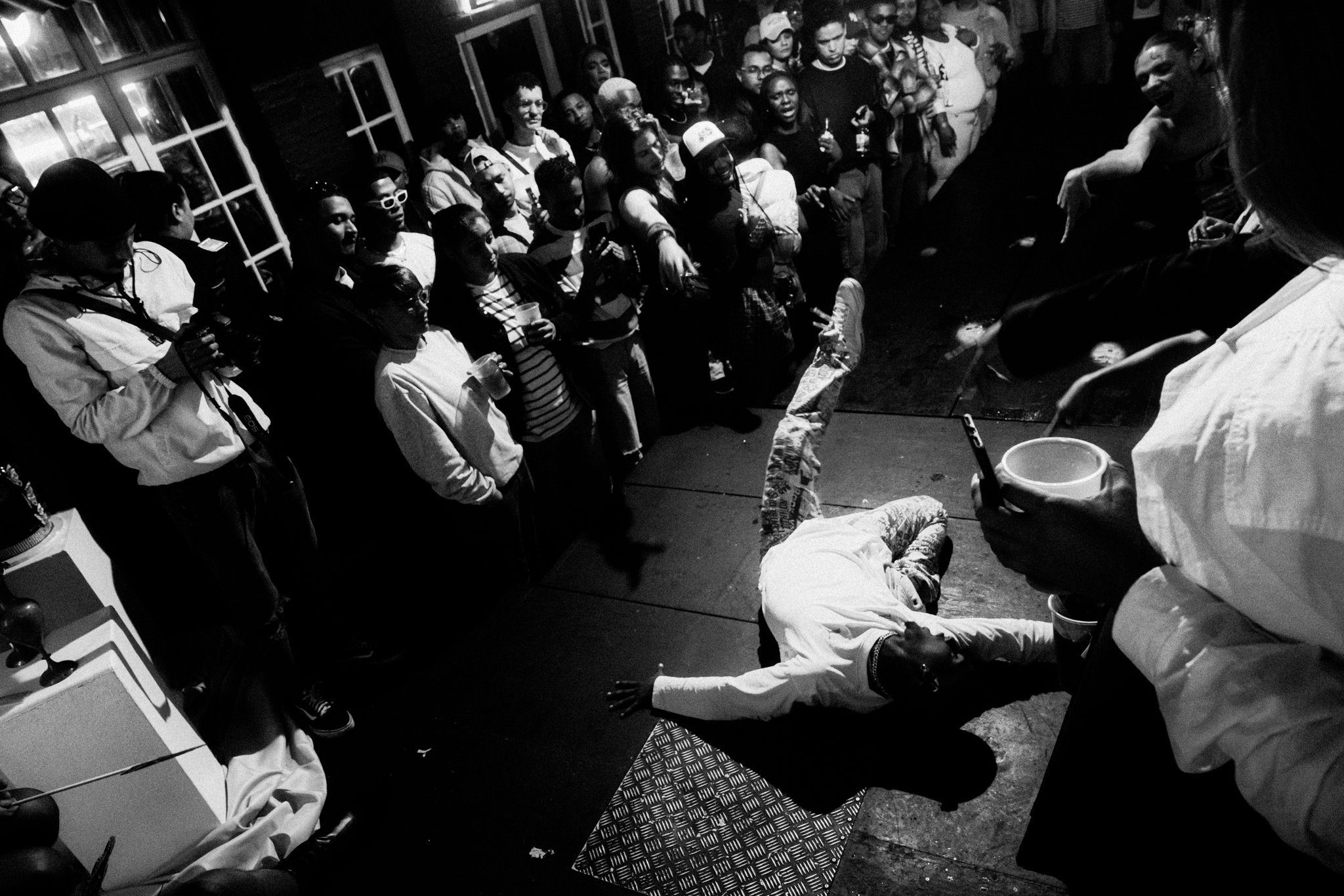
Royal House of LaBeija: Royal Ball, 2024. Zoey Black.
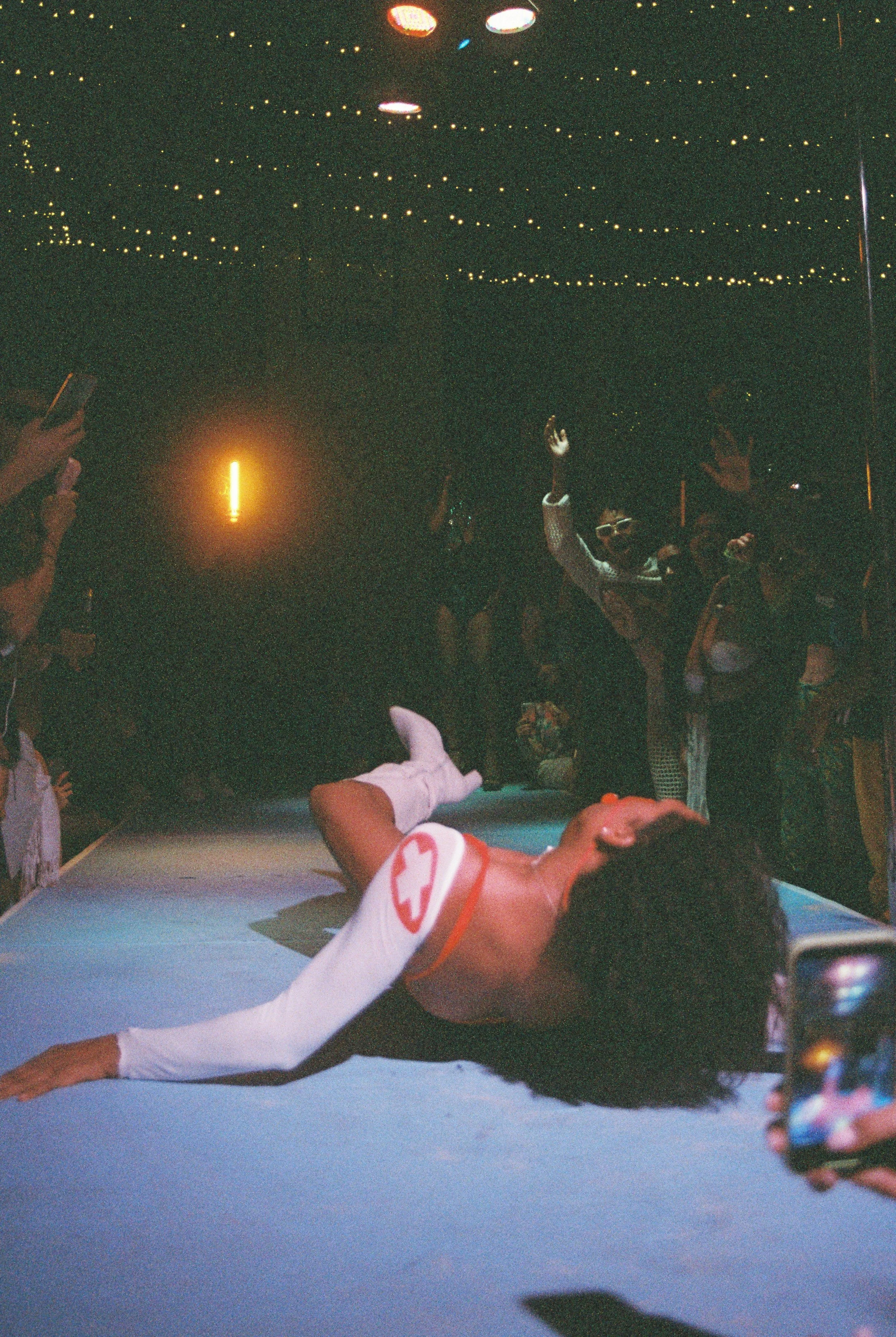
Spectrum: Beach Ball, 2024. Zoey Black.
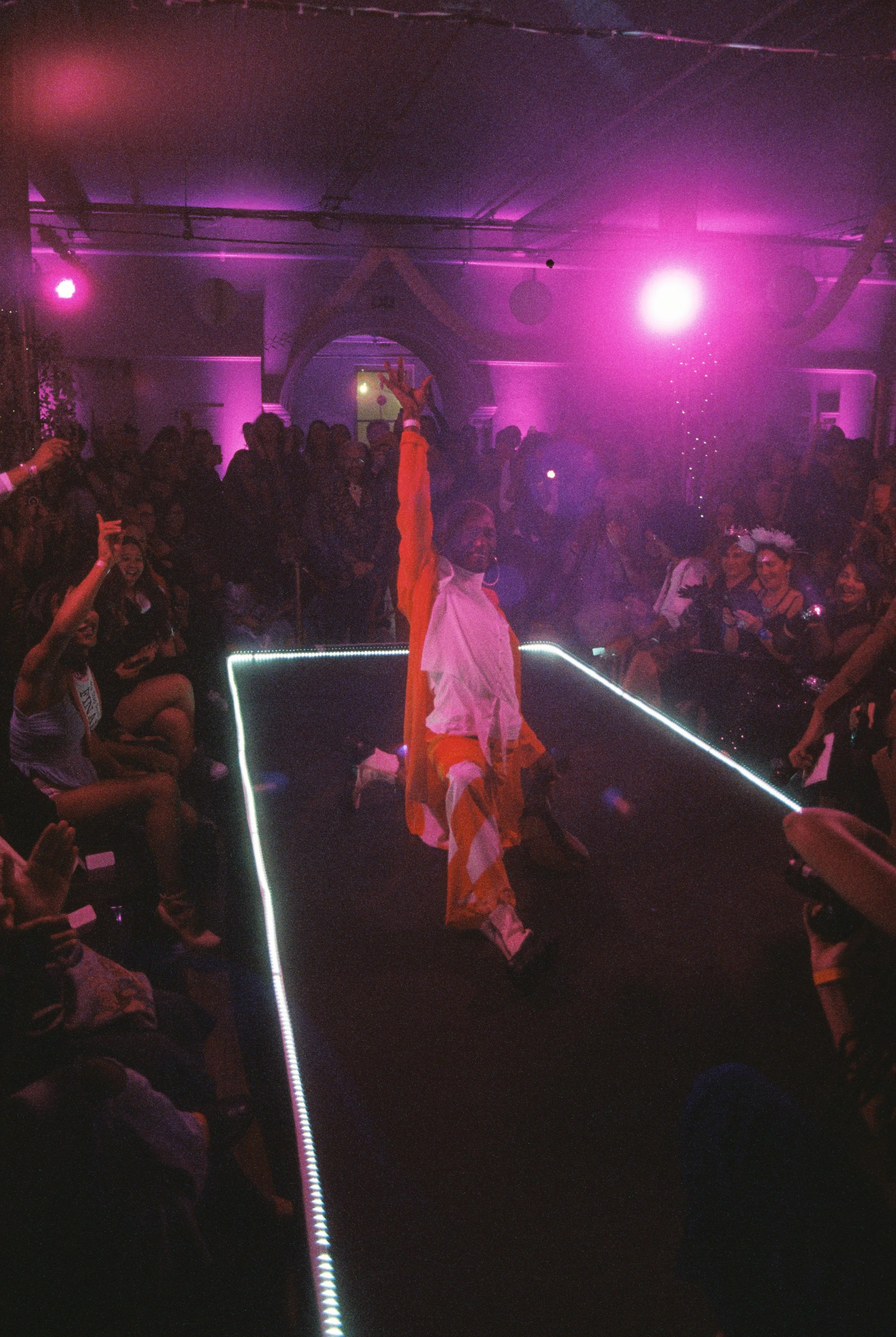
Salon Kewpie: The Legacy Ball, 2024. Zoey Black.
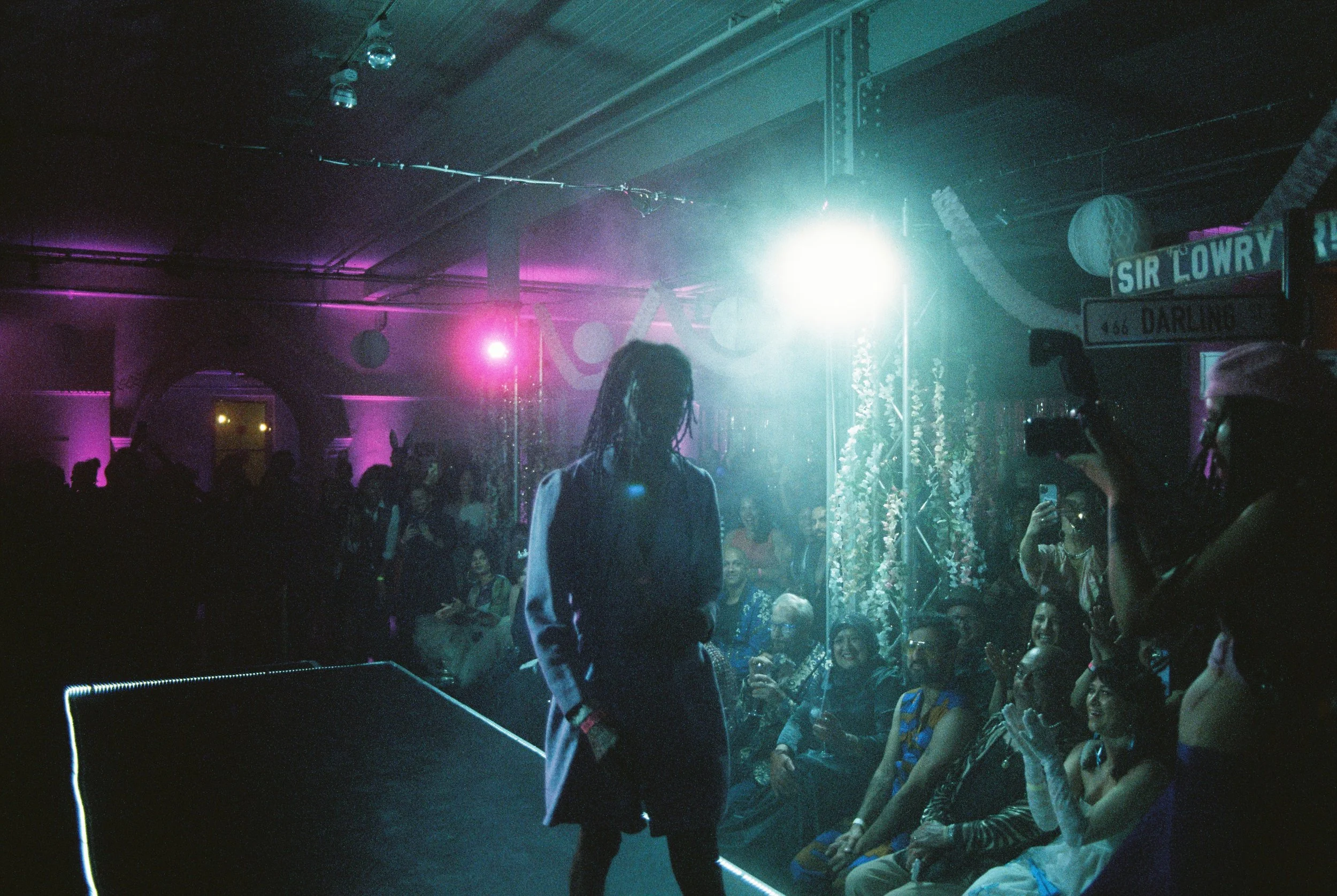
Salon Kewpie: The Legacy Ball, 2024. Zoey Black.
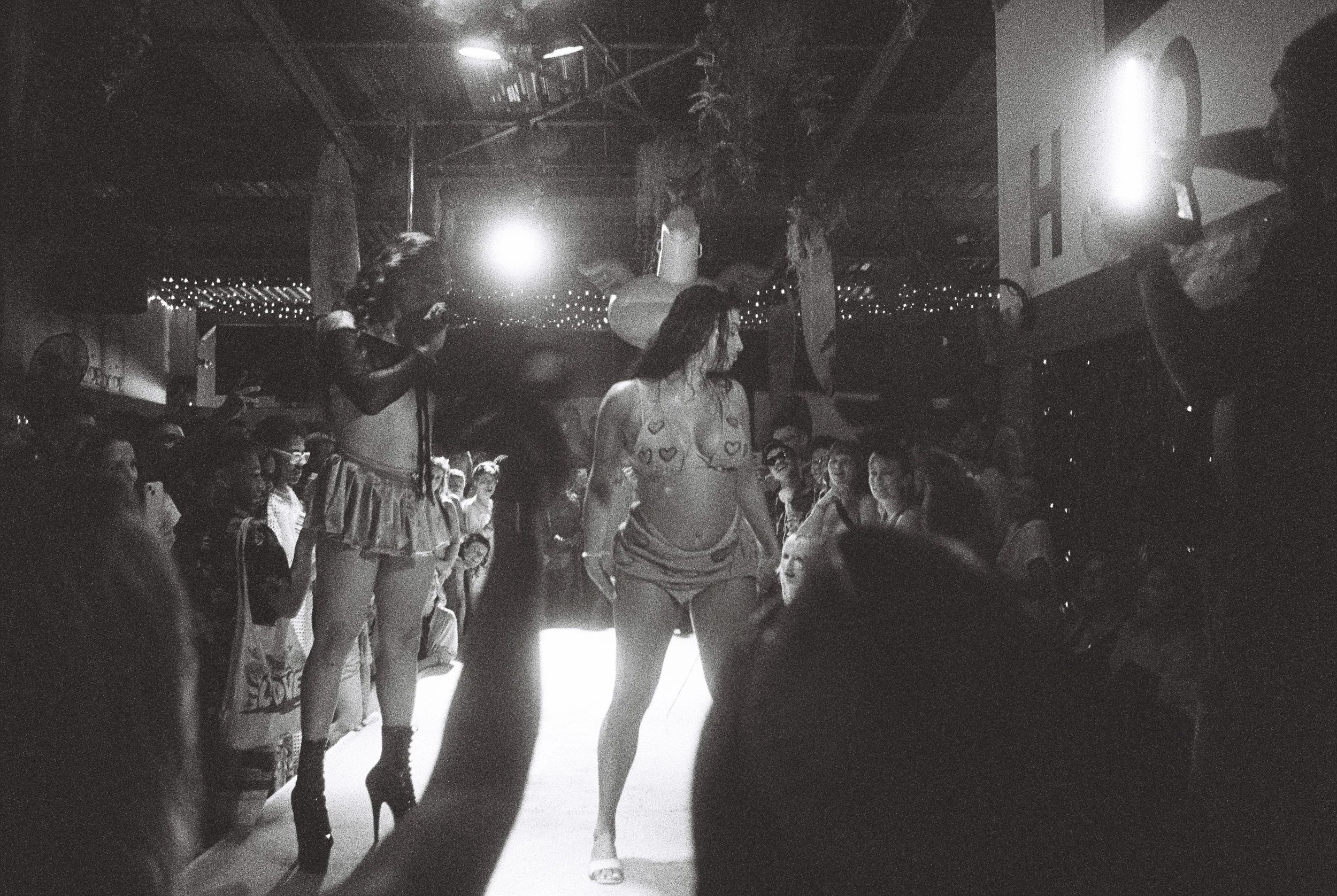
Spectrum: Beach Ball, 2024. Zoey Black.
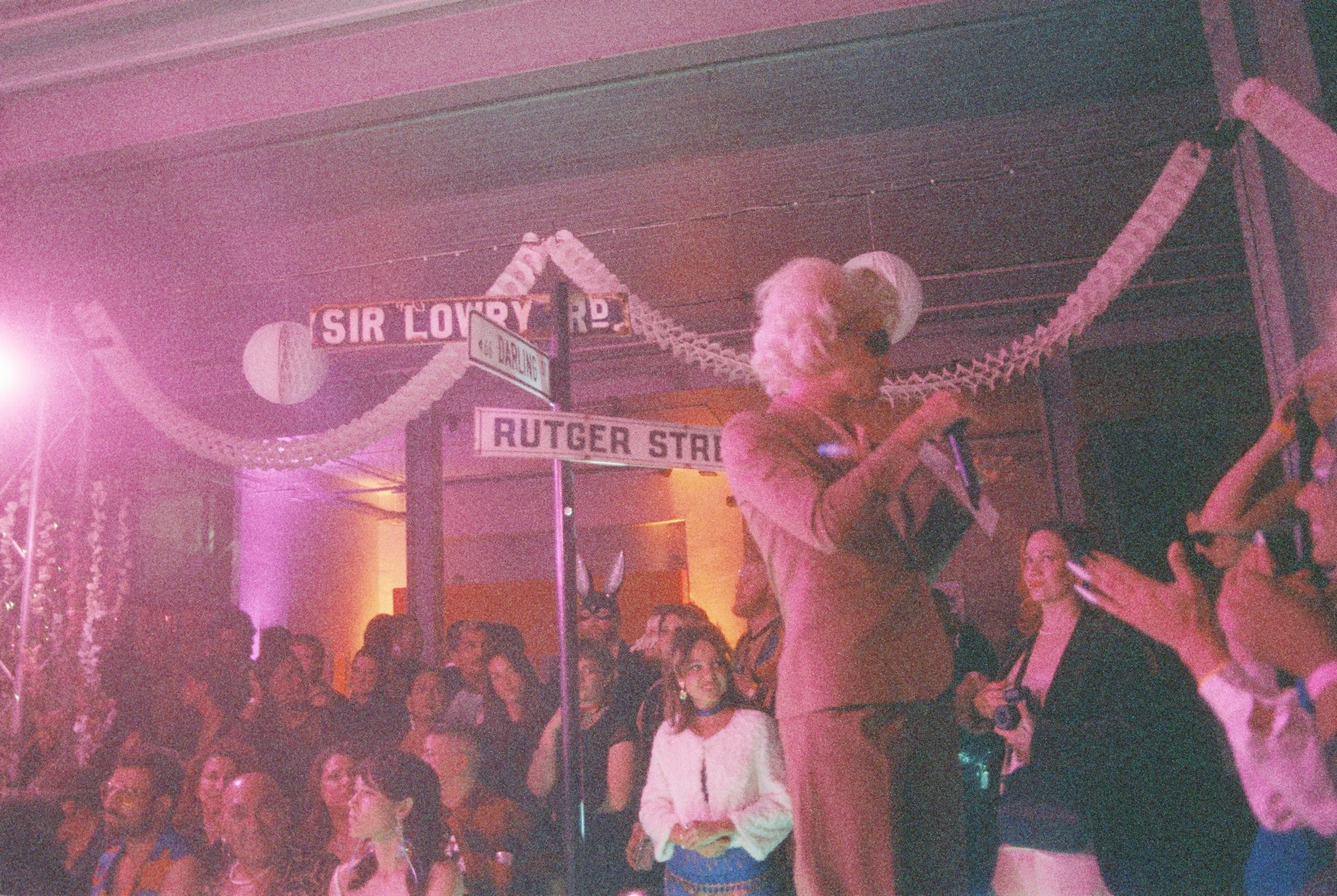
Salon Kewpie: The Legacy Ball, 2024. Zoey Black.
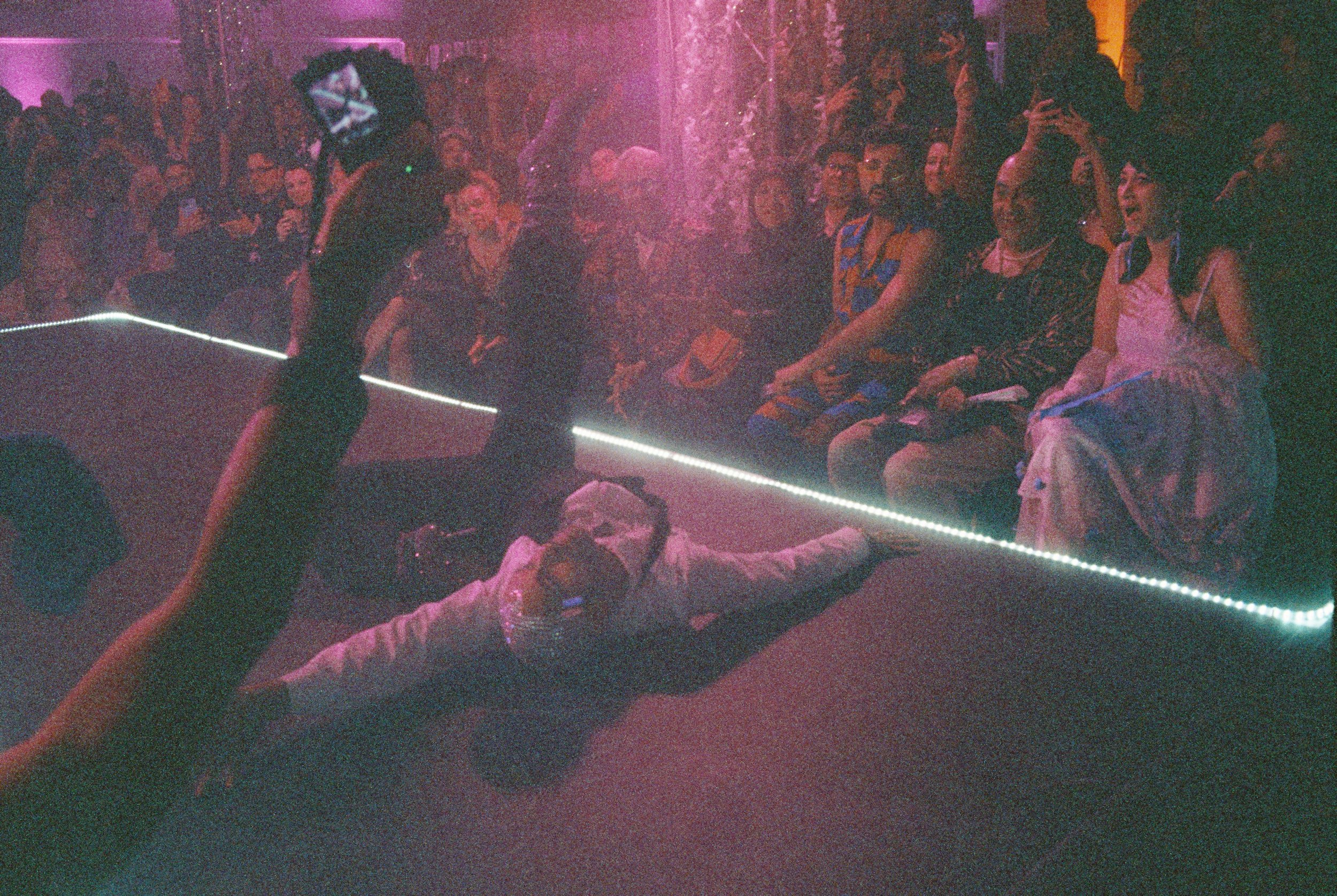
Salon Kewpie: The Legacy Ball, 2024. Zoey Black.
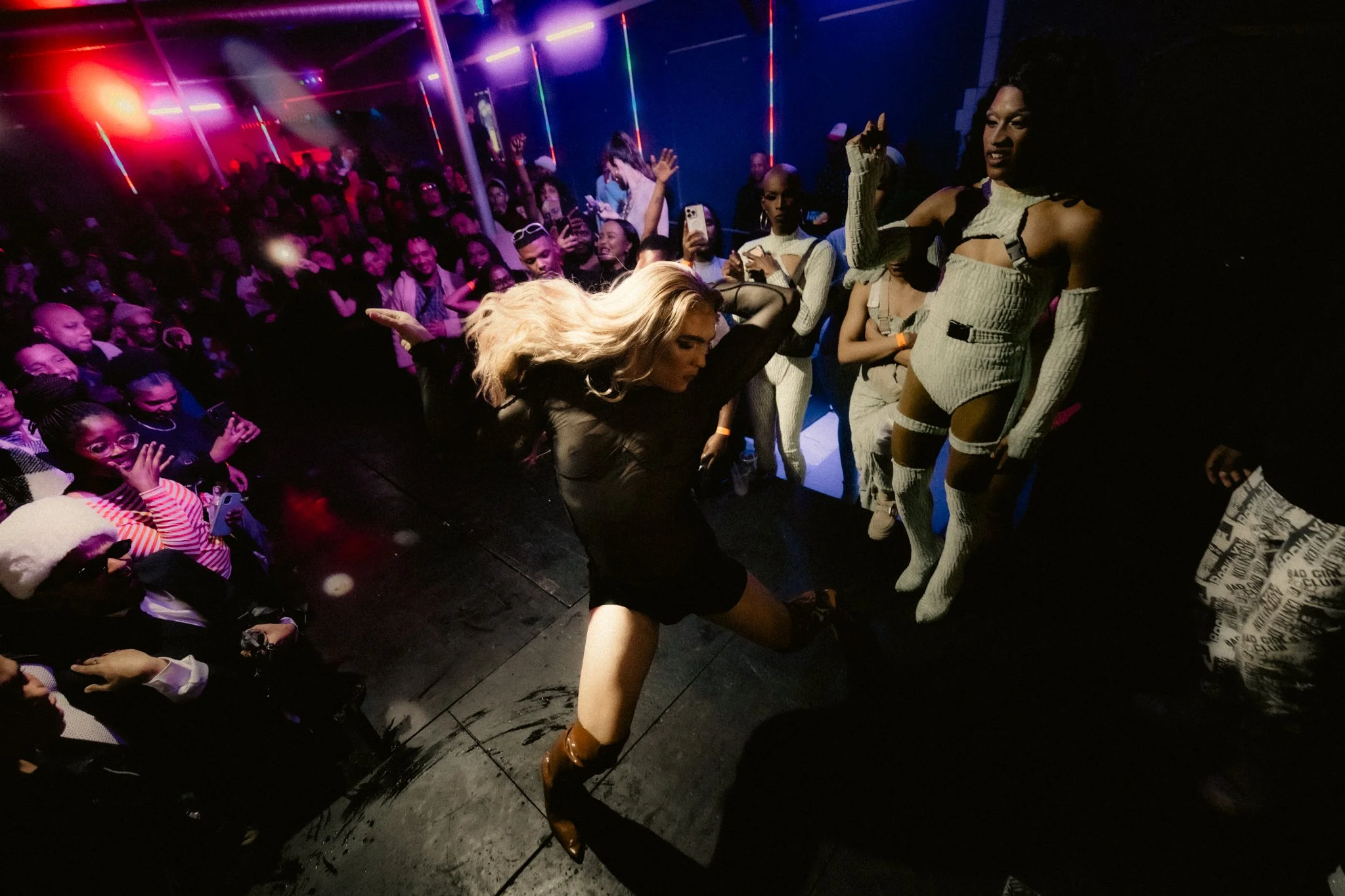
Mamma B's Birthday Ball, 2024. Zoey Black.
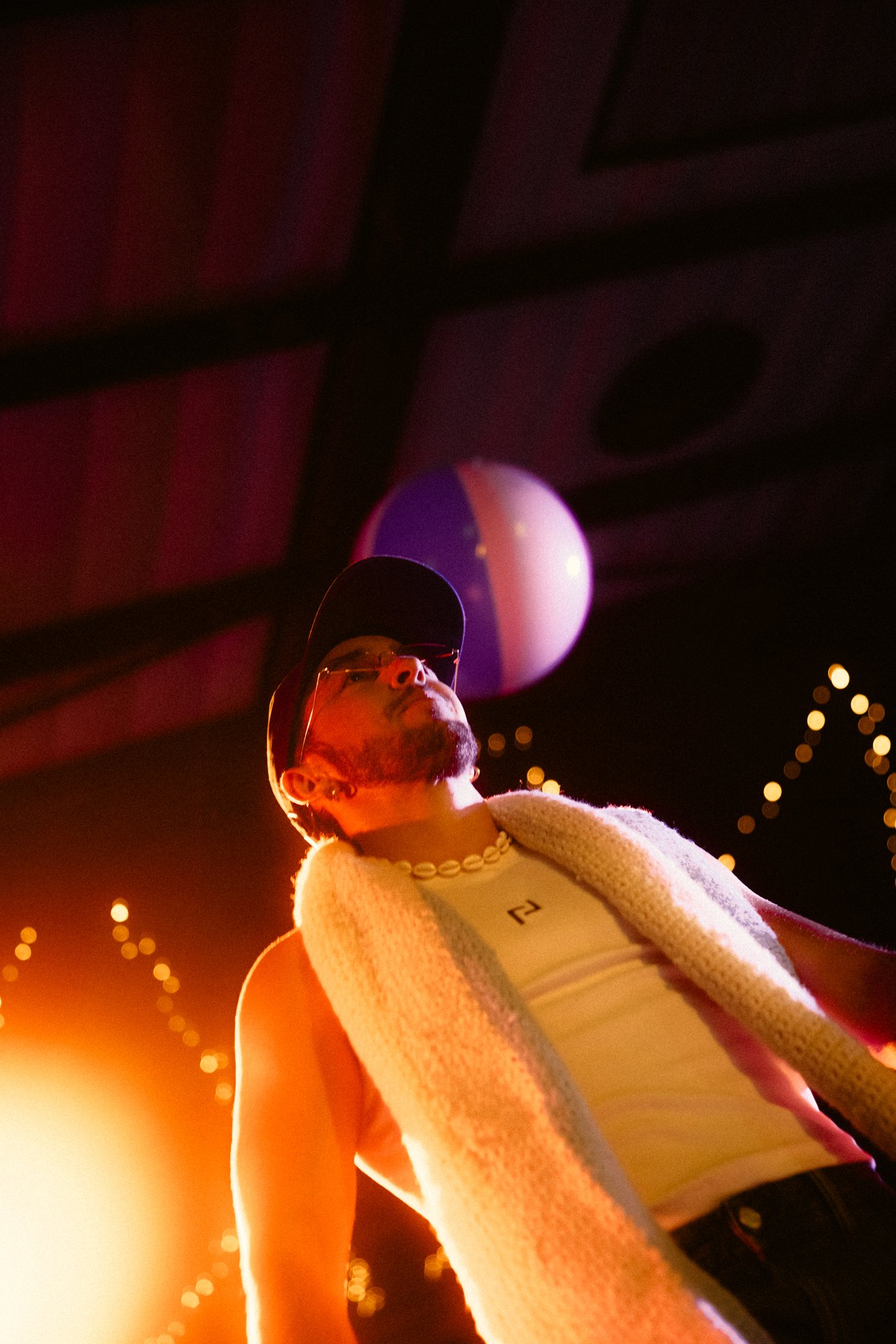
Legacy: Beach Ball, 2025. Zoey Black.
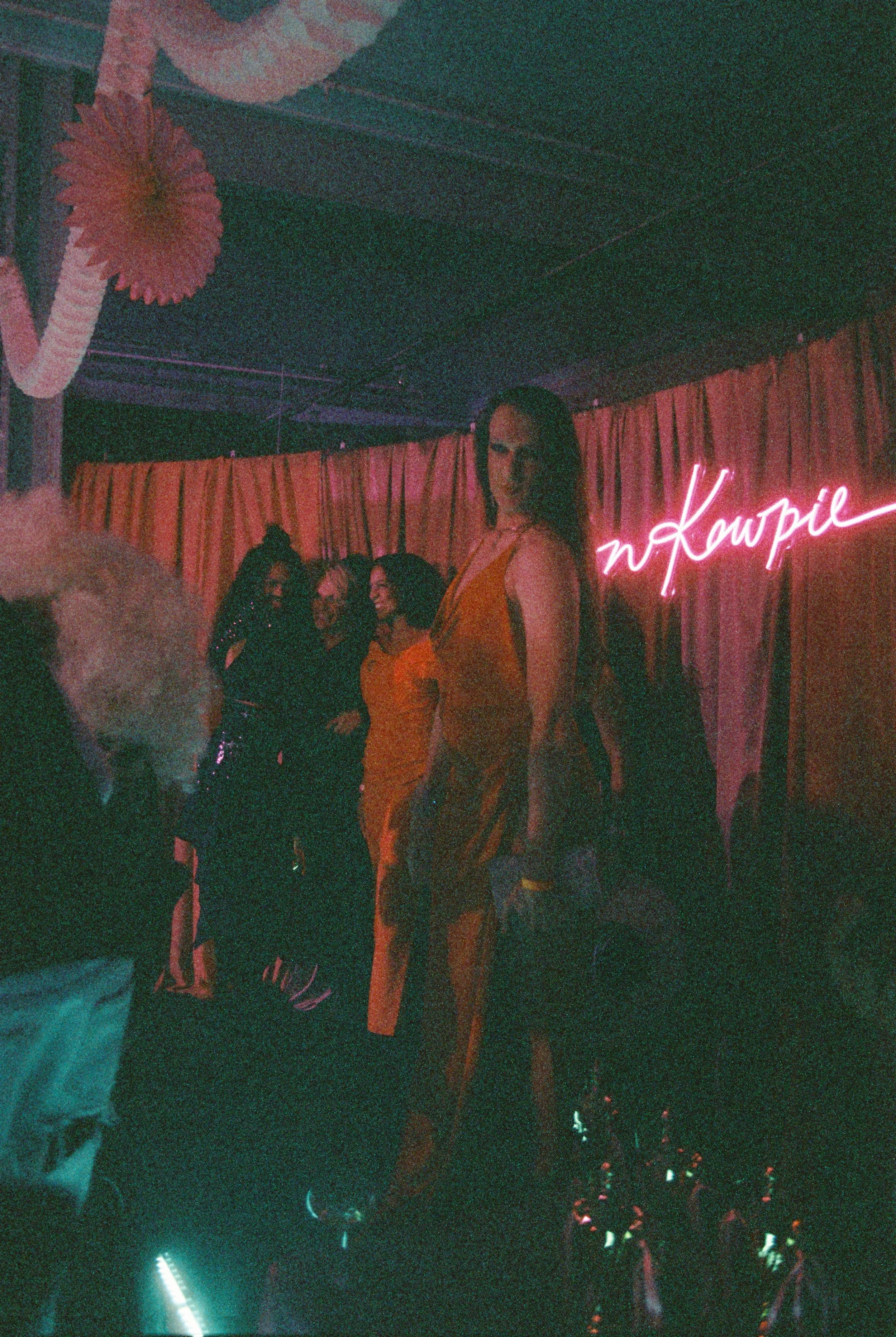
Salon Kewpie: The Legacy Ball, 2024. Zoey Black.
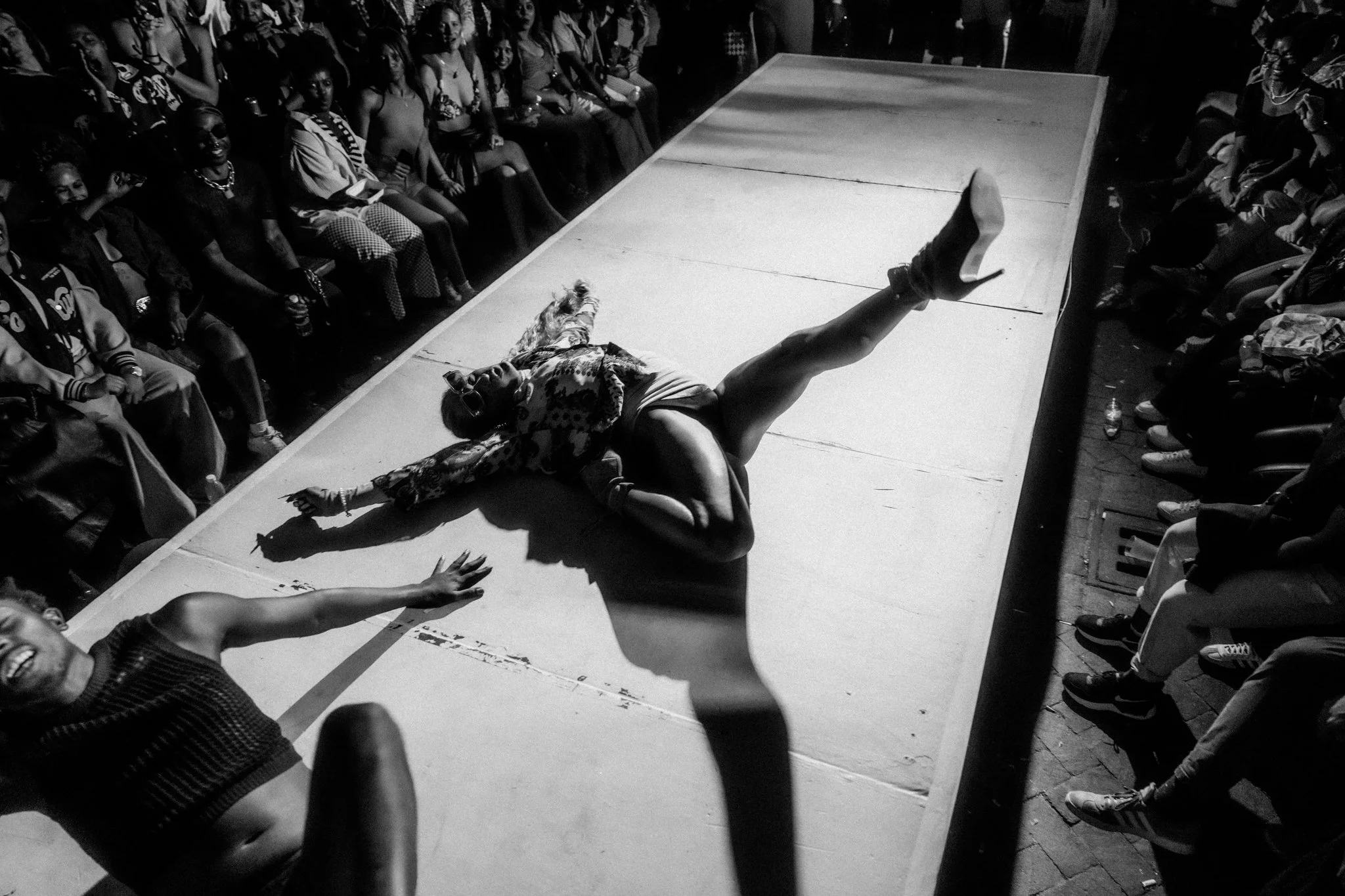
Legacy: Beach Ball, 2025. Zoey Black.
House of BouGhetto: Disco Ball, 2024. Zoey Black.
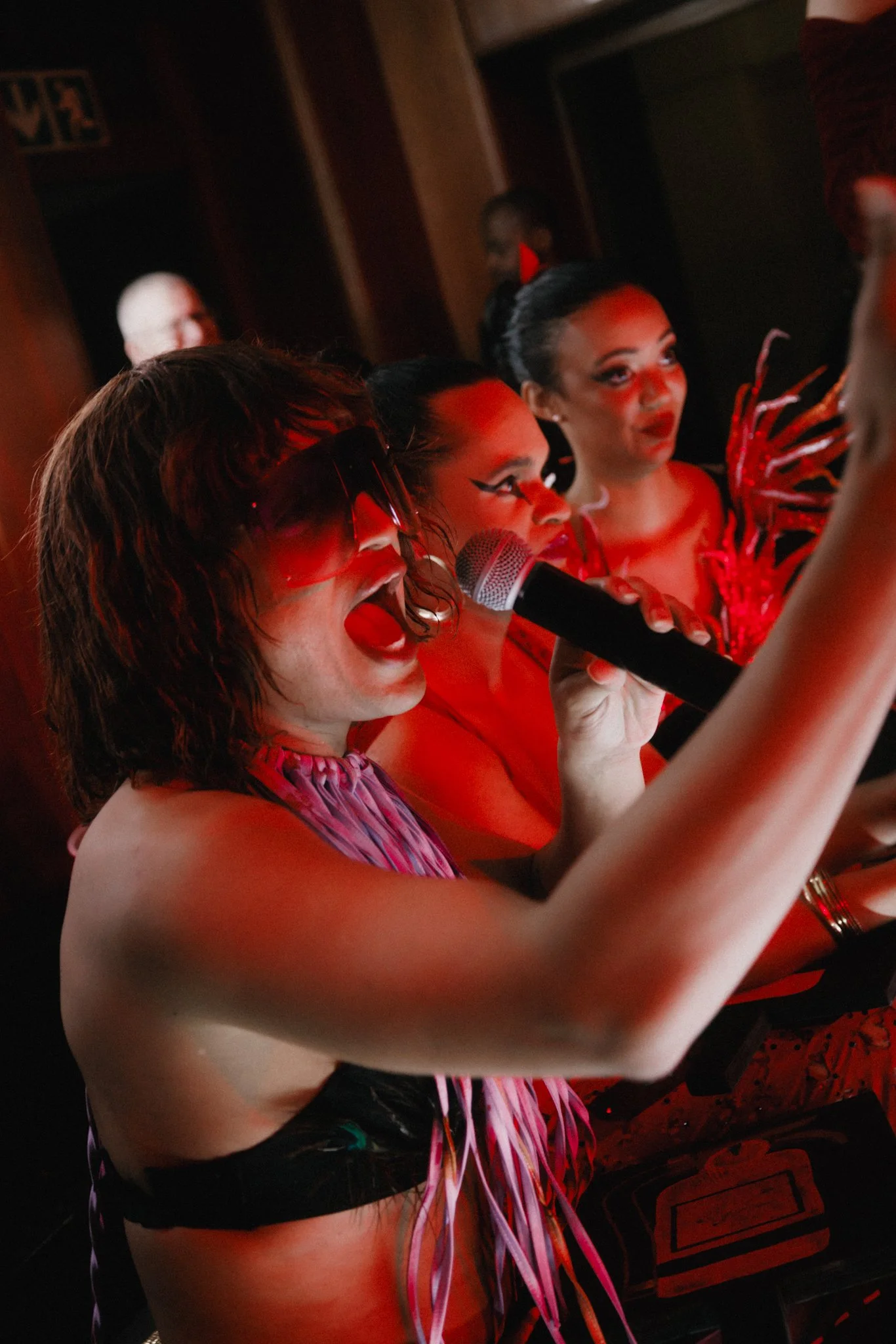
House of Vlam: Vlamageddon Ball, 2025. Zoey Black.
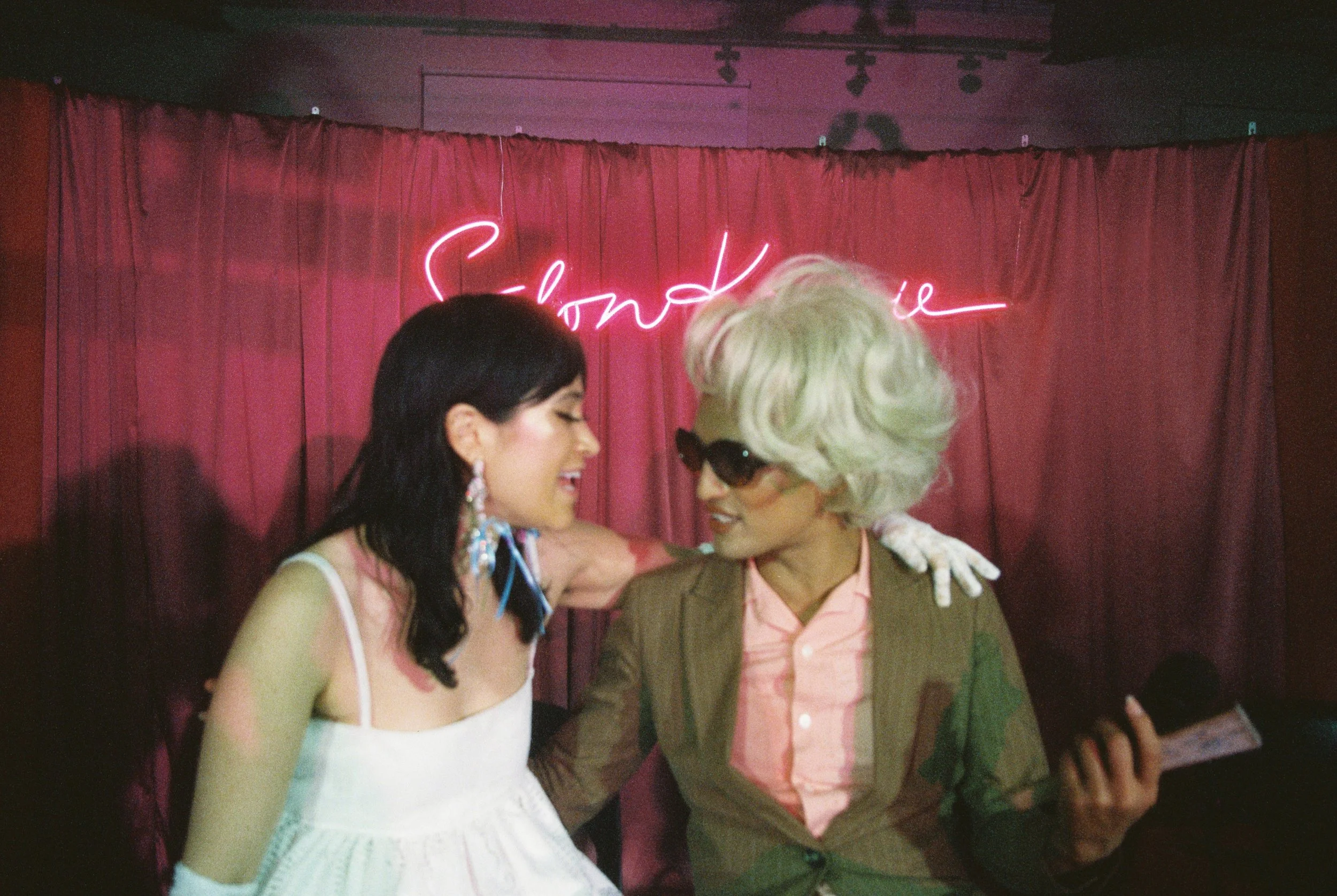
Salon Kewpie: The Legacy Ball, 2024. Zoey Black.
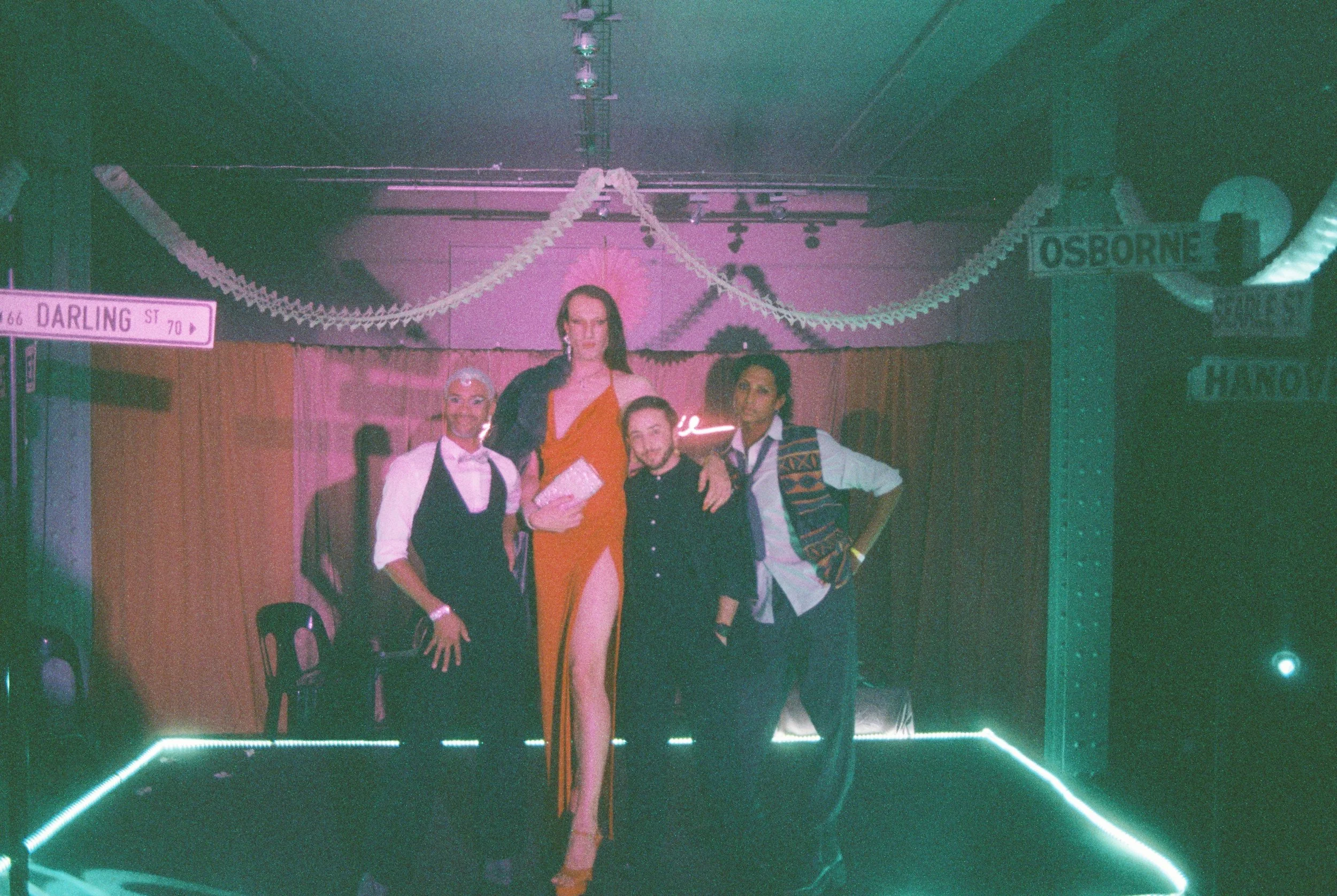
Salon Kewpie: The Legacy Ball, 2024. Zoey Black.
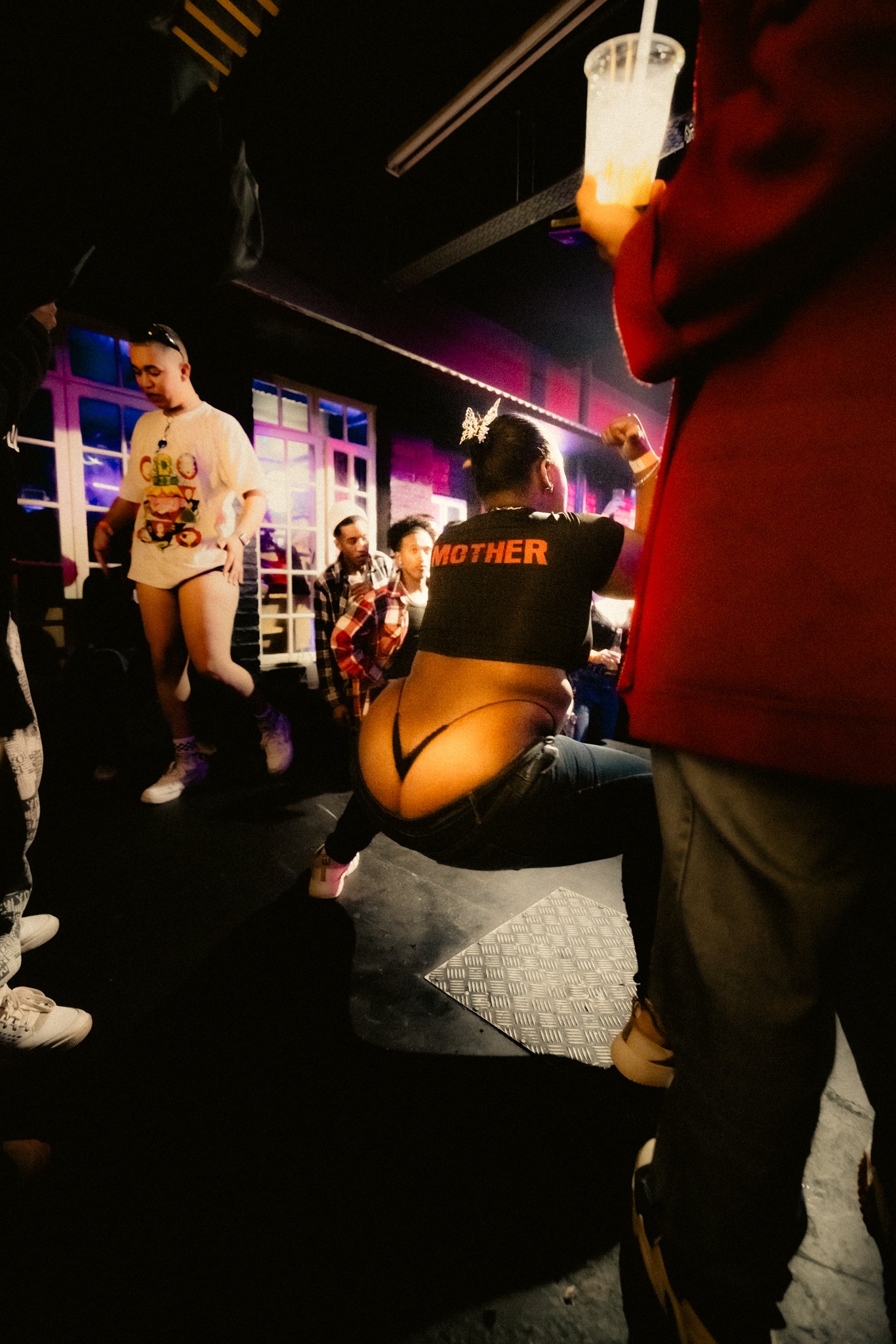
Mamma B's Birthday Ball, 2024. Zoey Black.
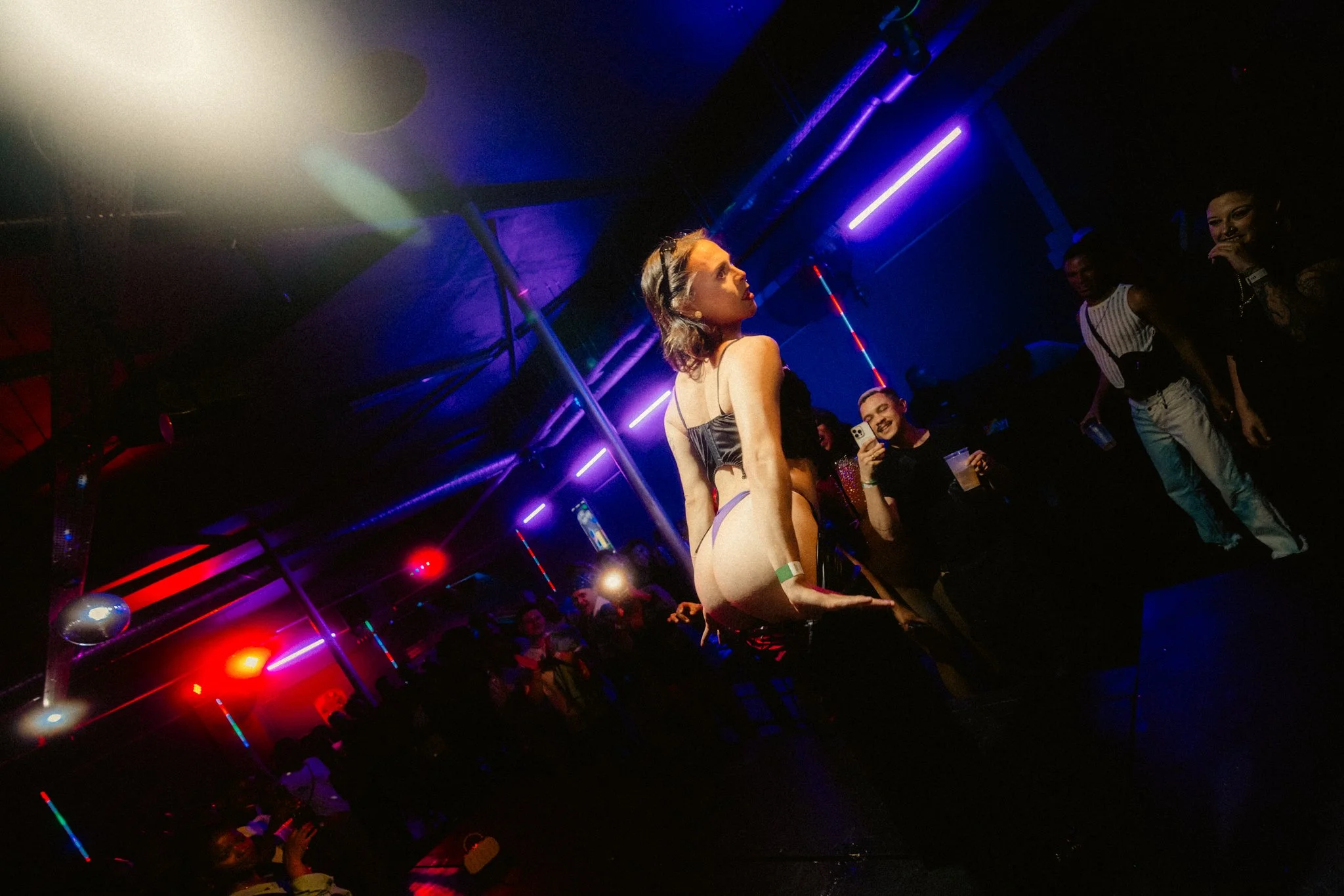
House of Le Cap Spring Ball, 2024. Zoey Black.
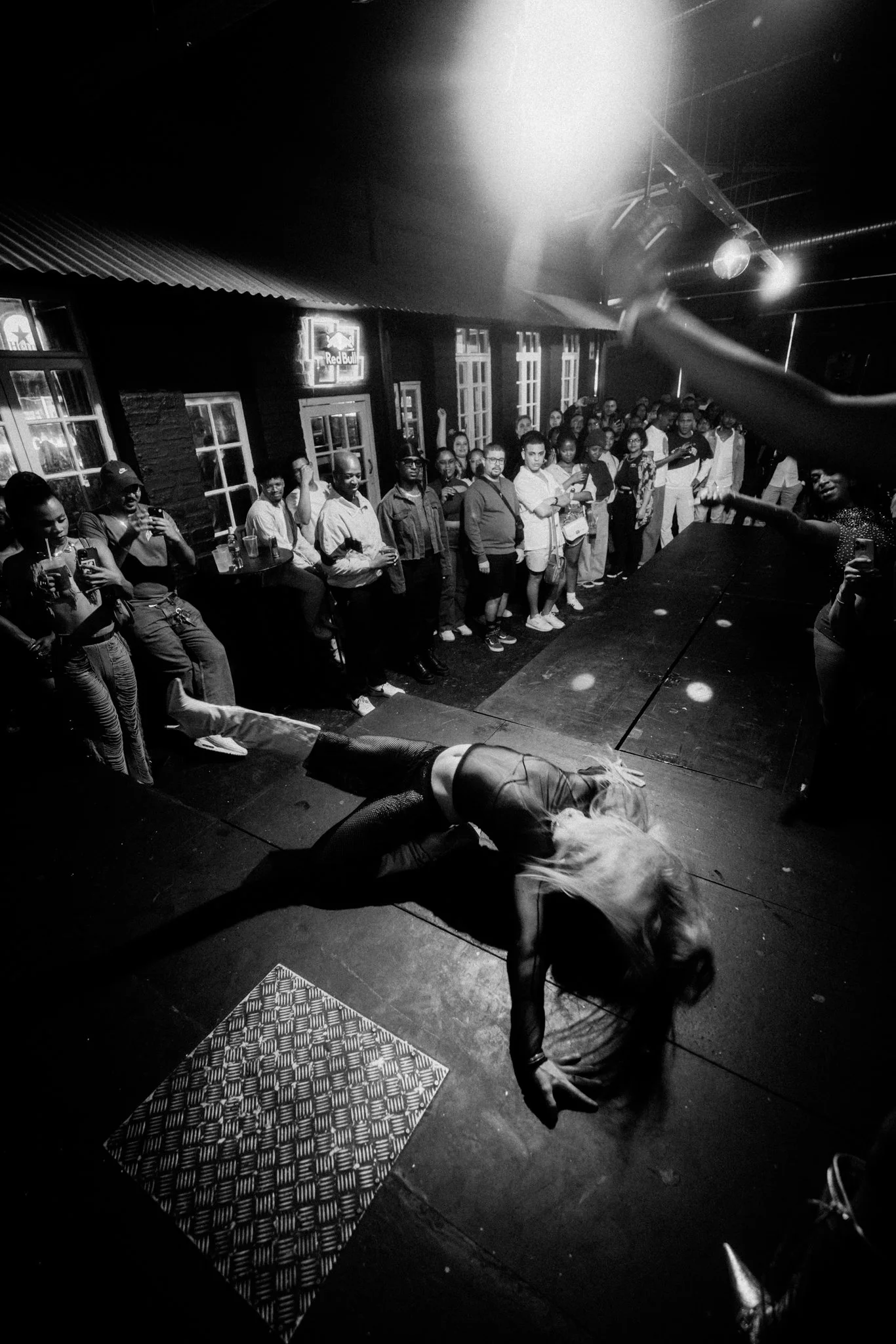
House of Le Cap Spring Ball, 2024. Zoey Black.

Legacy: Resurrection Ball, 2024. Zoey Black.
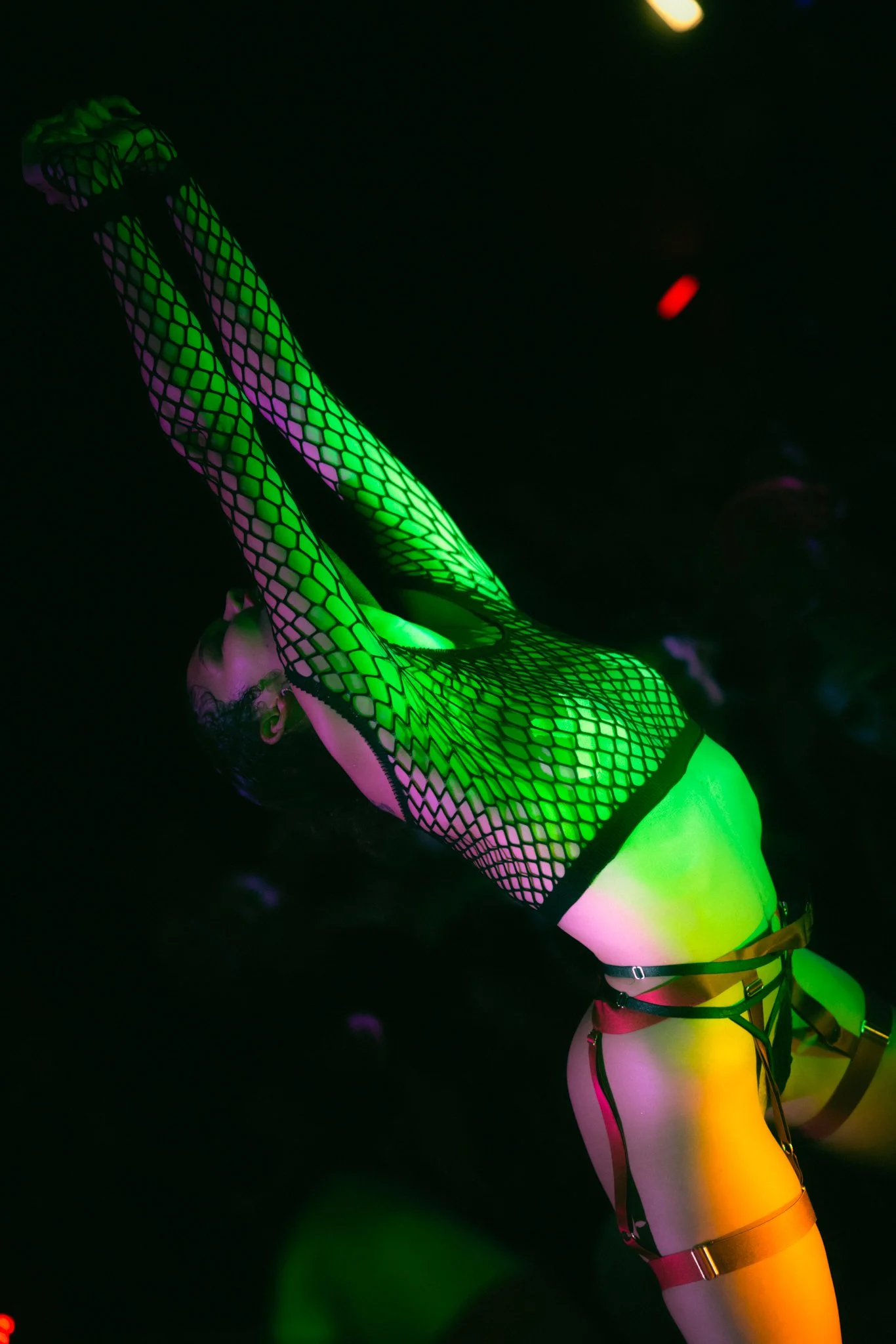
Legacy Resurrection Ball
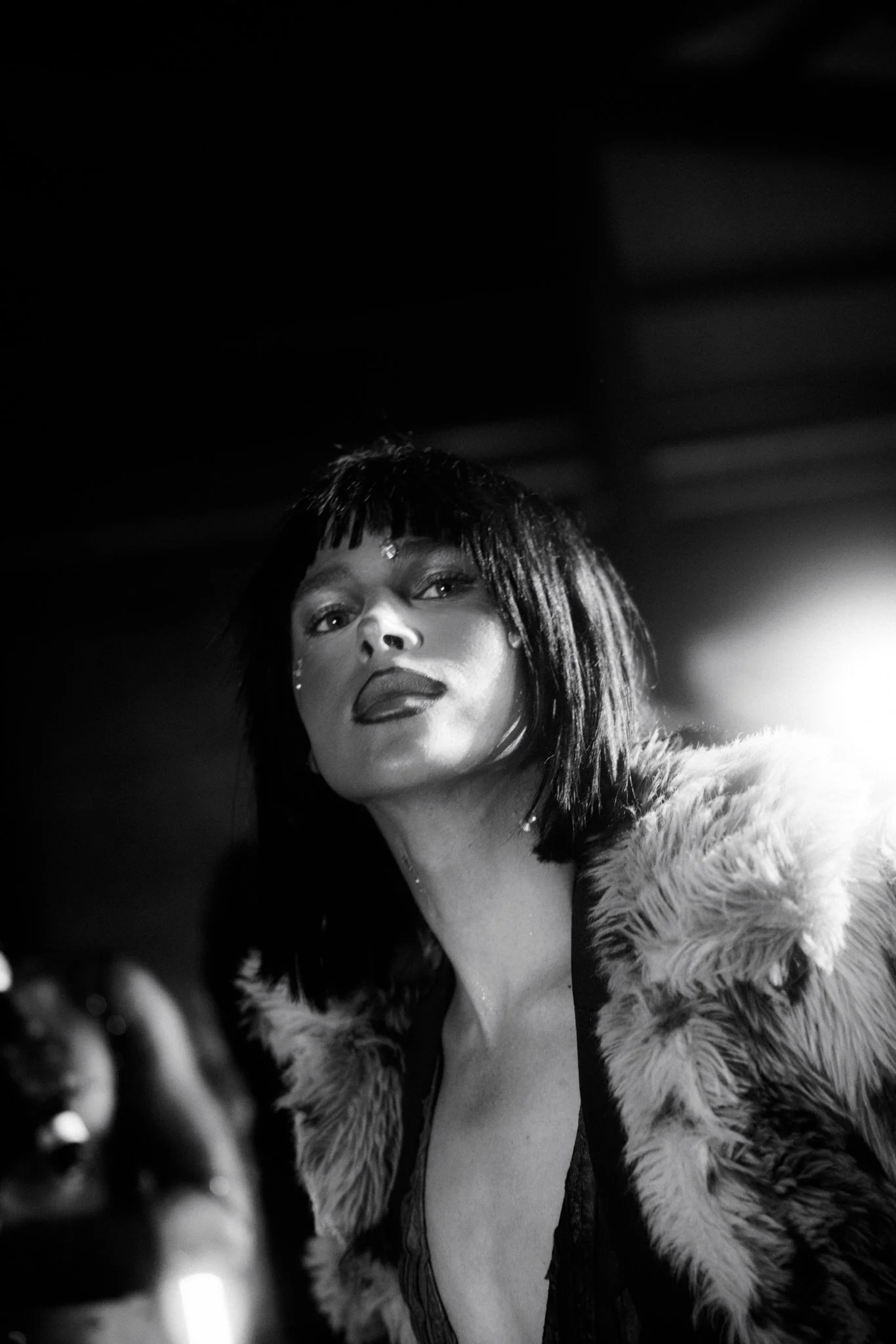
Legacy: Crystal Ball, 2025. Zoey Black.
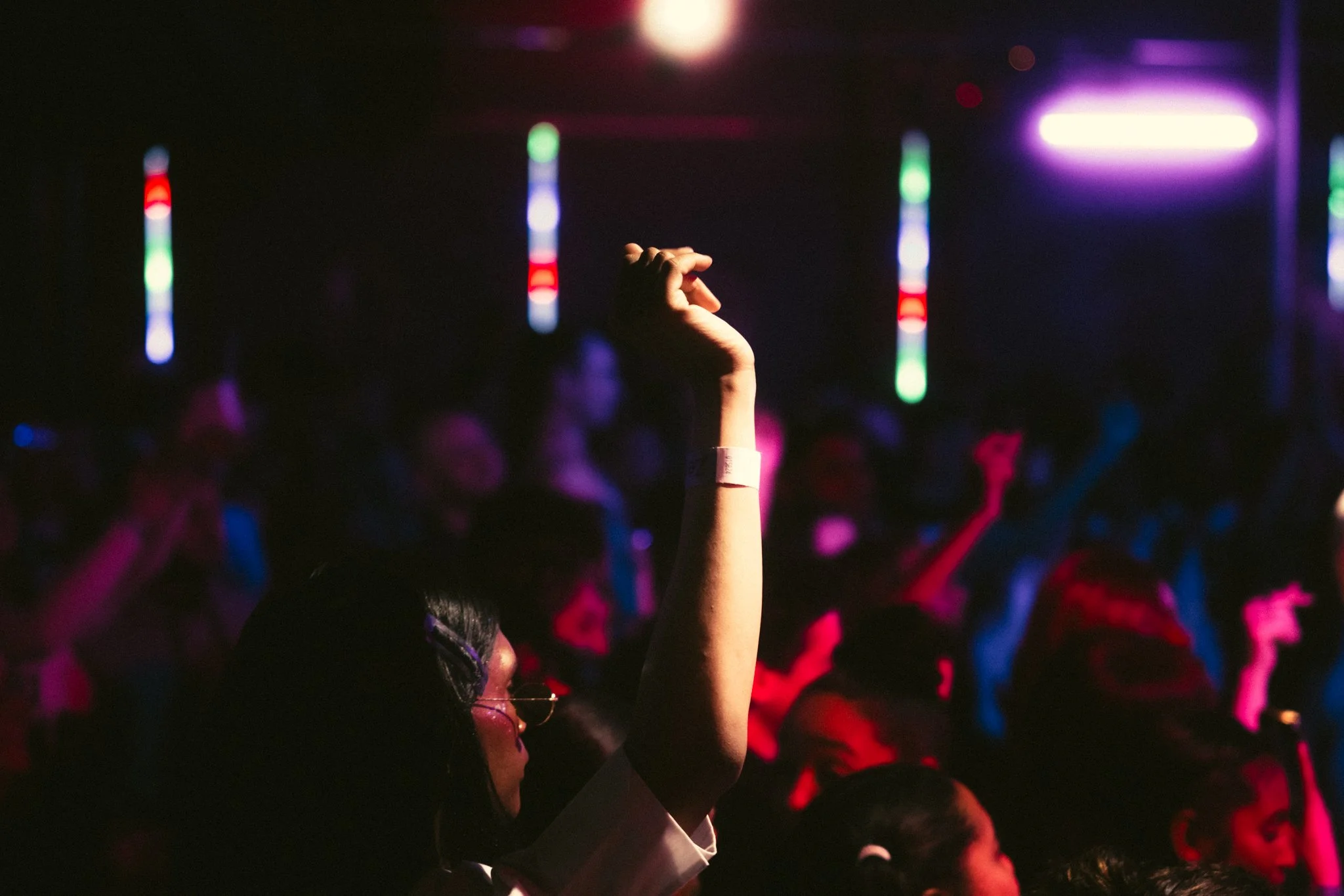
Mamma B's Birthday Ball, 2024. Zoey Black.
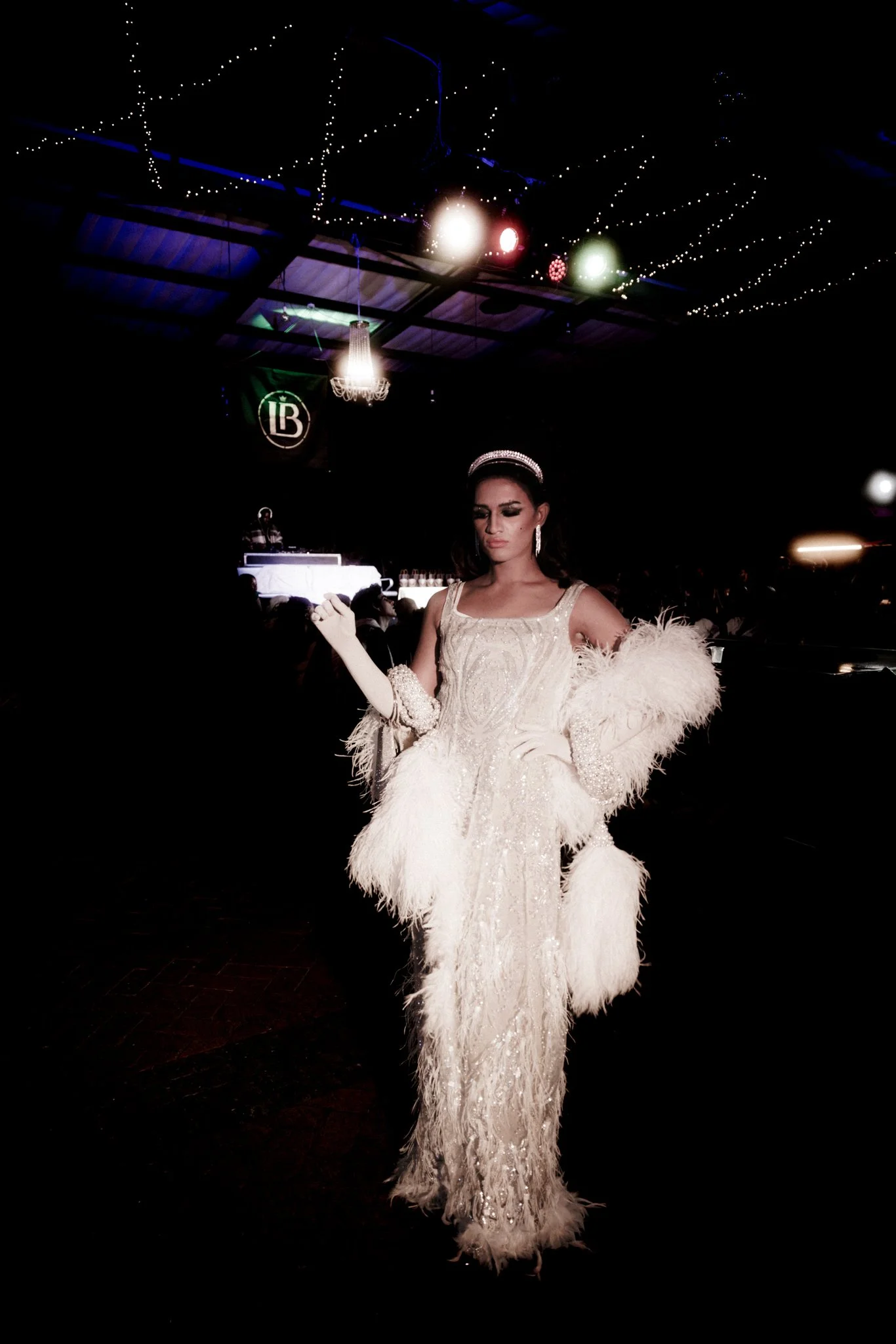
Legacy: Crystal Ball, 2025. Zoey Black.
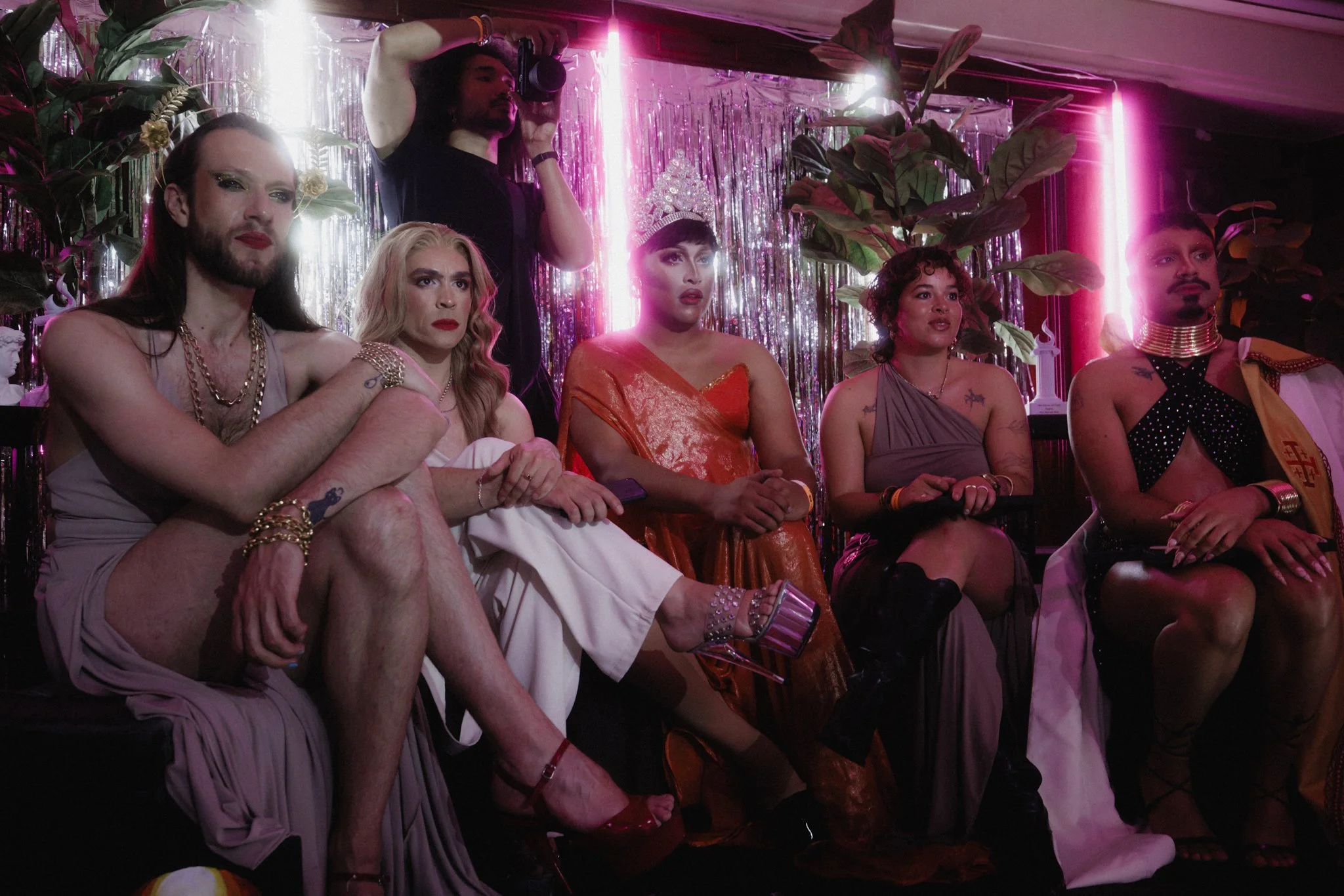
House of Vlam: Vlamageddon Ball, 2025. Zoey Black.
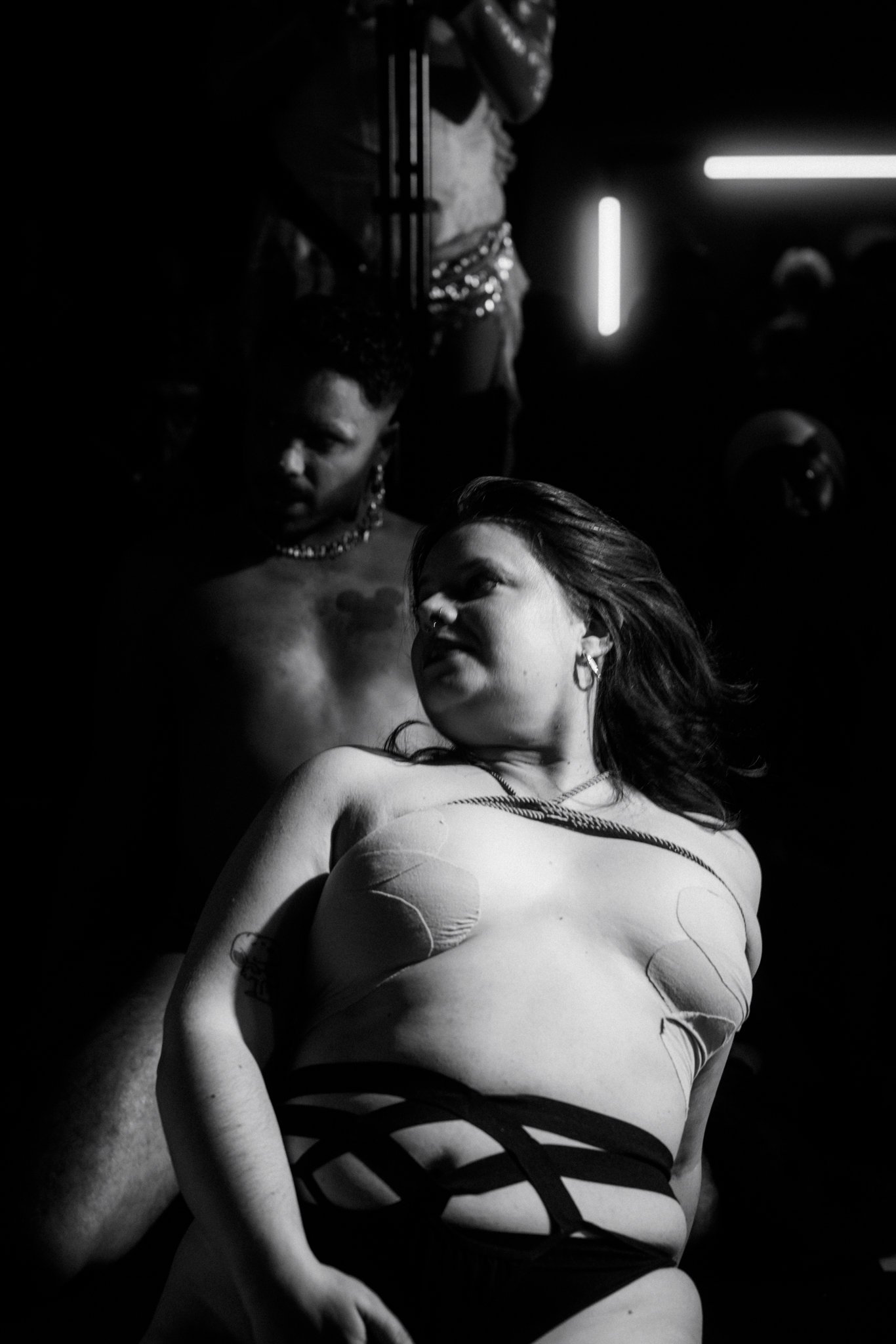
Legacy: Crystal Ball, 2025. Zoey Black.
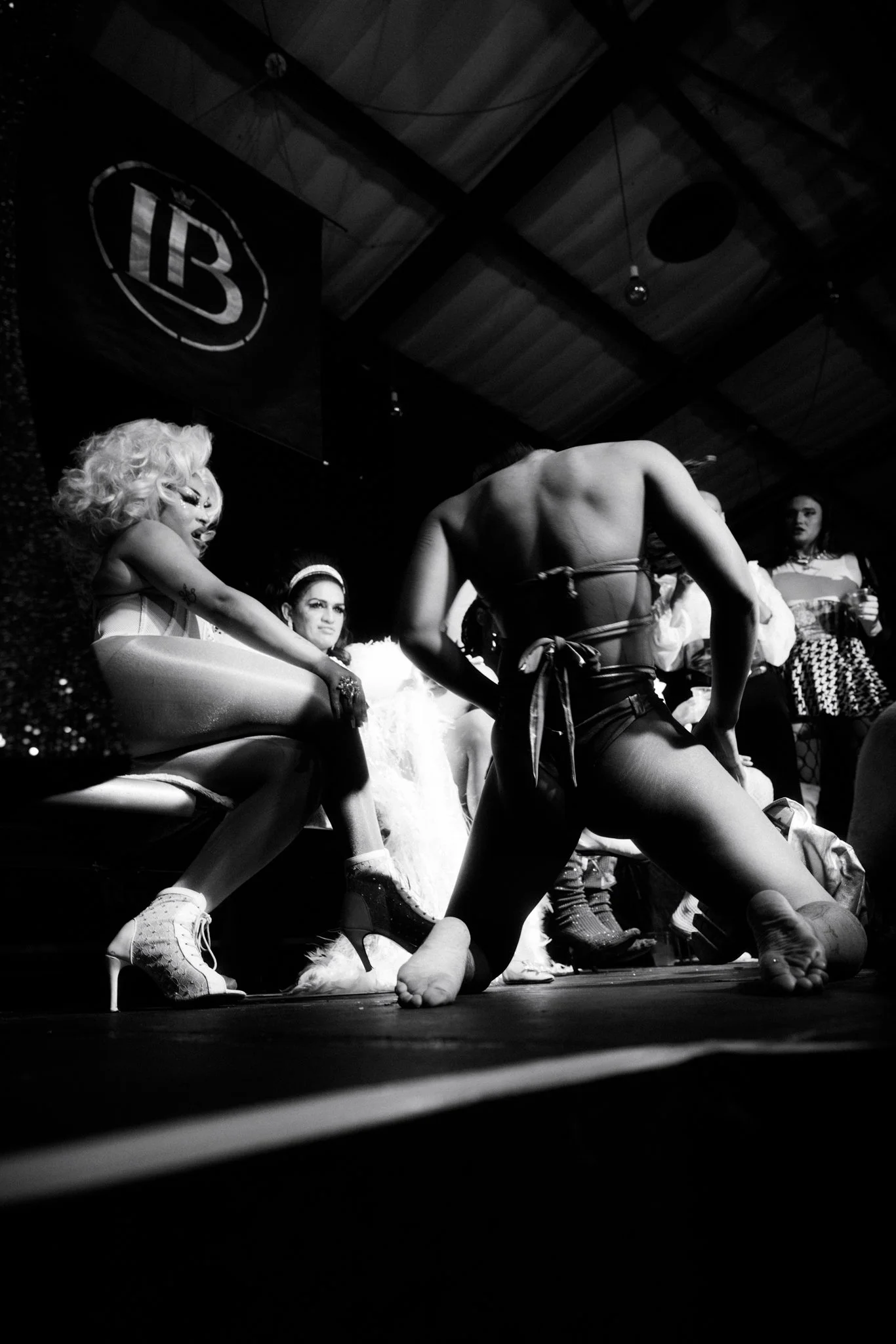
Legacy: Crystal Ball, 2025. Zoey Black.
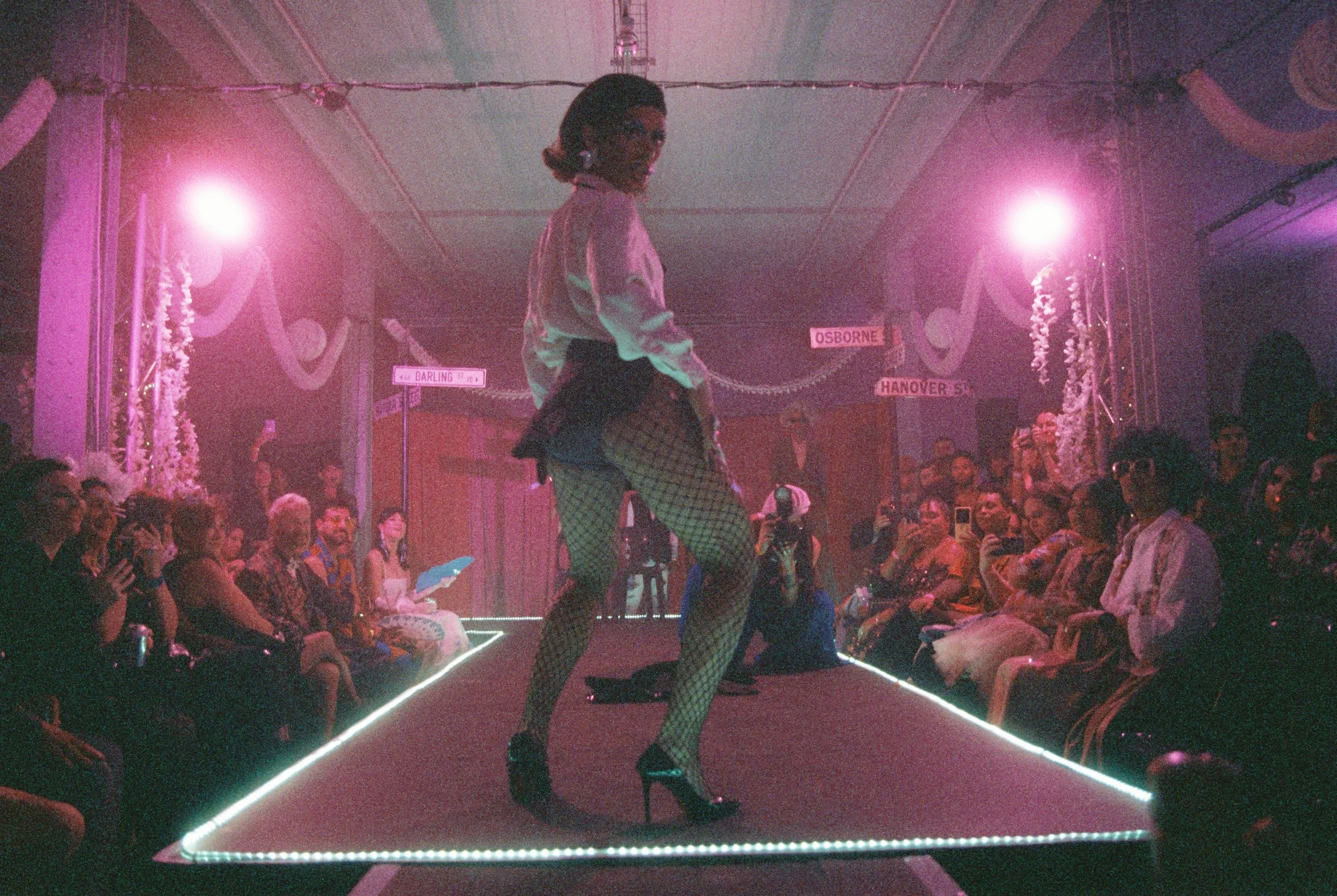
Salon Kewpie: The Legacy Ball, 2024. Zoey Black.
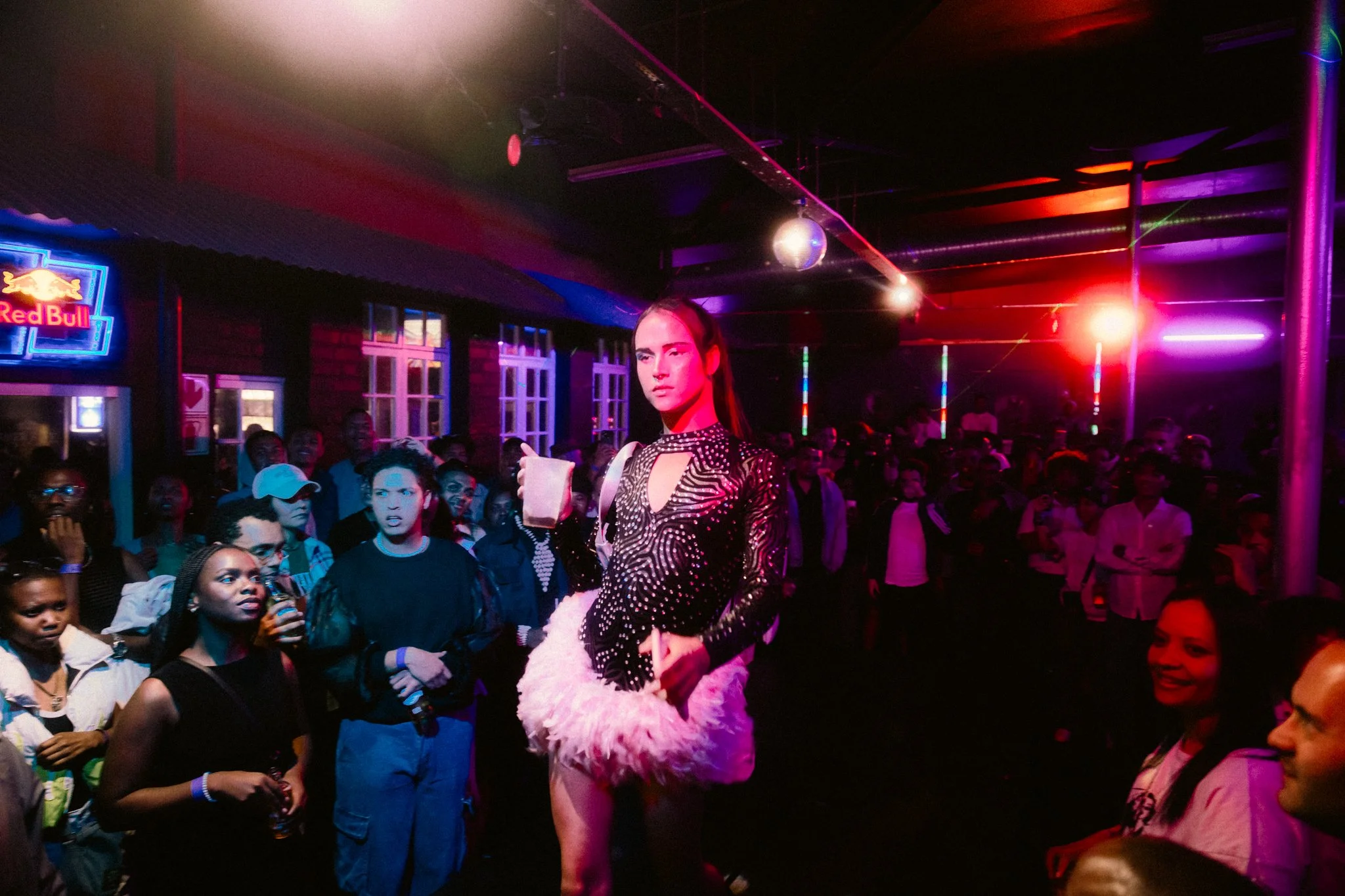
Haus of BouGhetto Art Ball, 2024. Zoey Black.
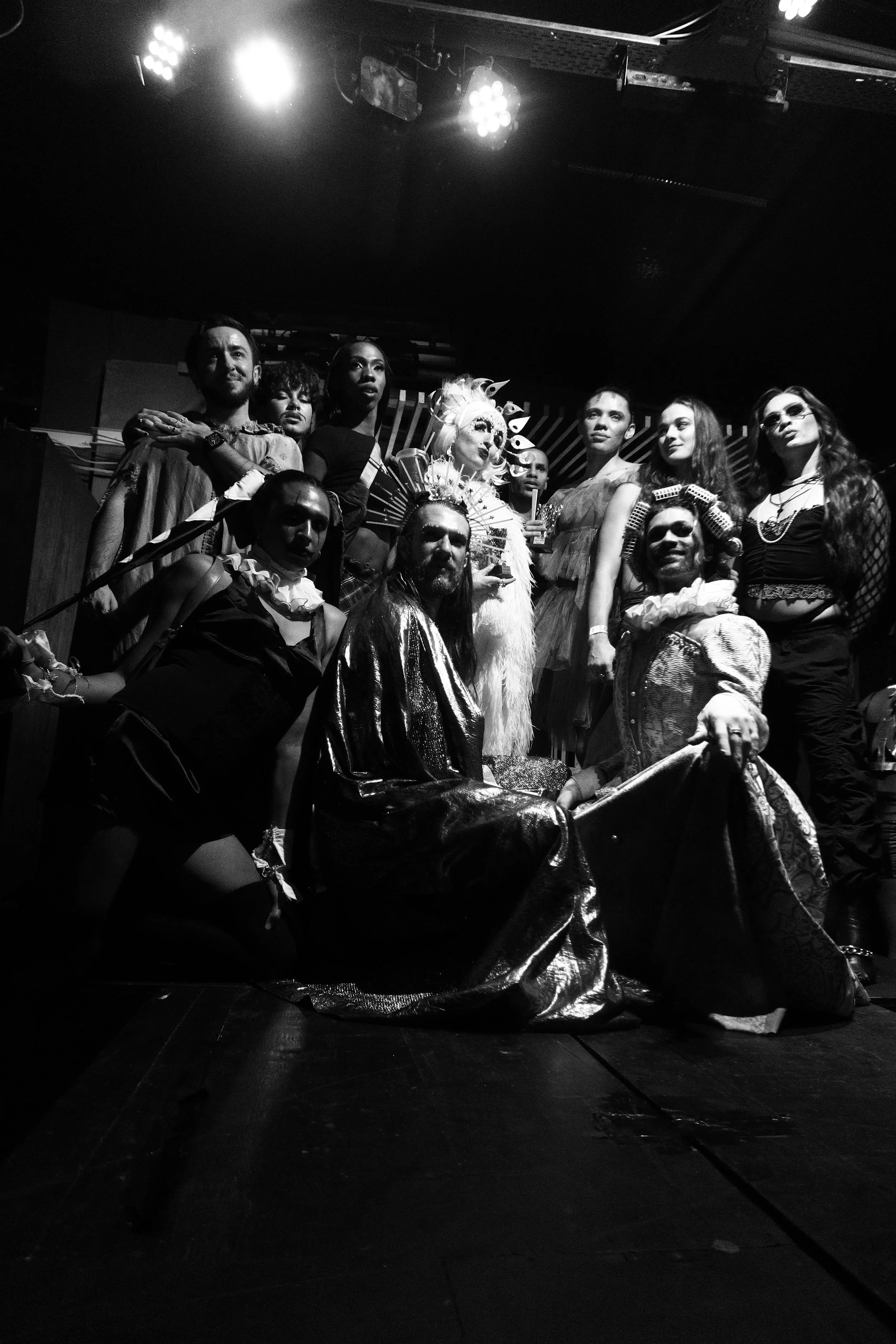
Royal House of LaBeija: Royal Ball, 2024. Zoey Black.
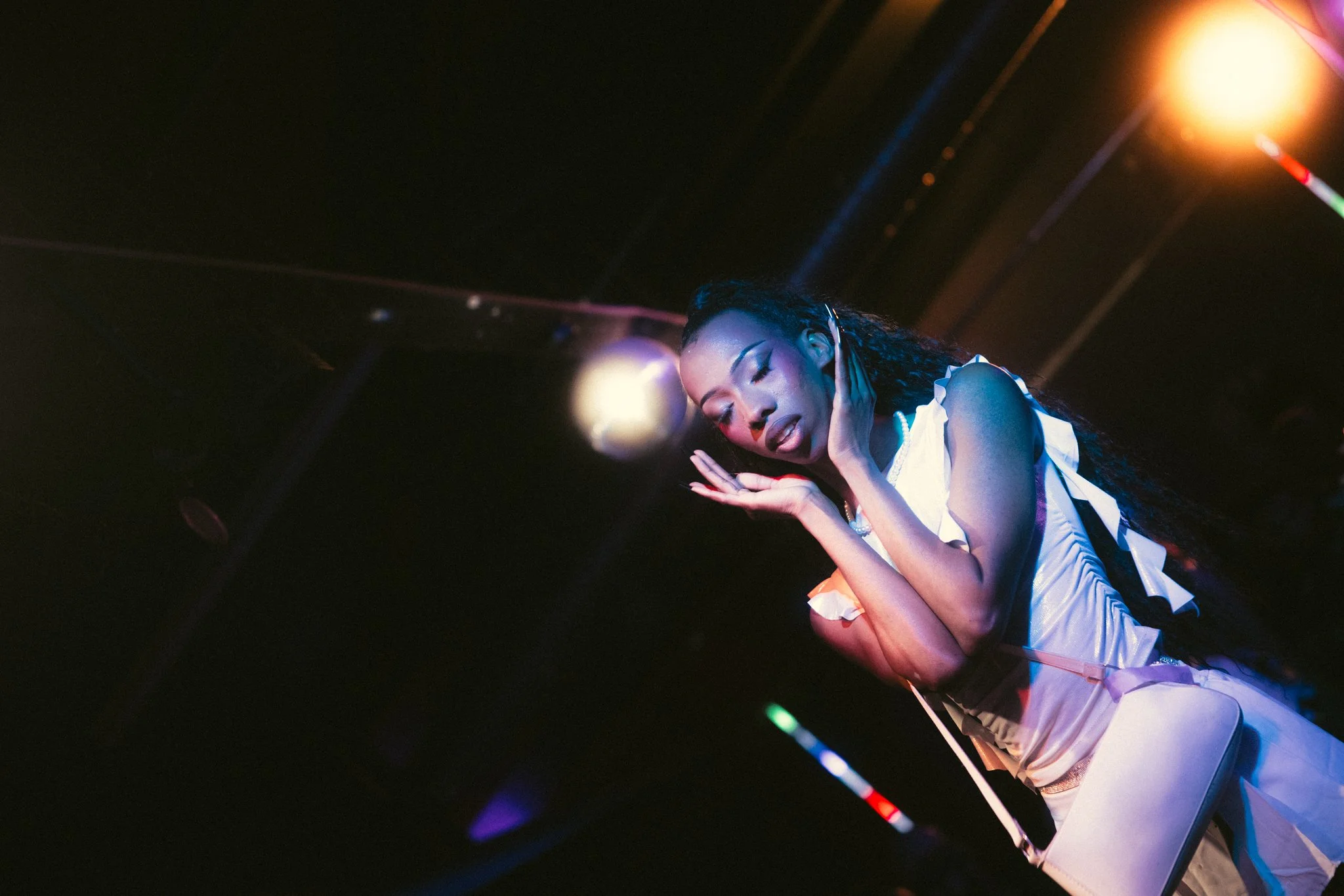
Royal House of LaBeija: Royal Ball, 2024. Zoey Black.
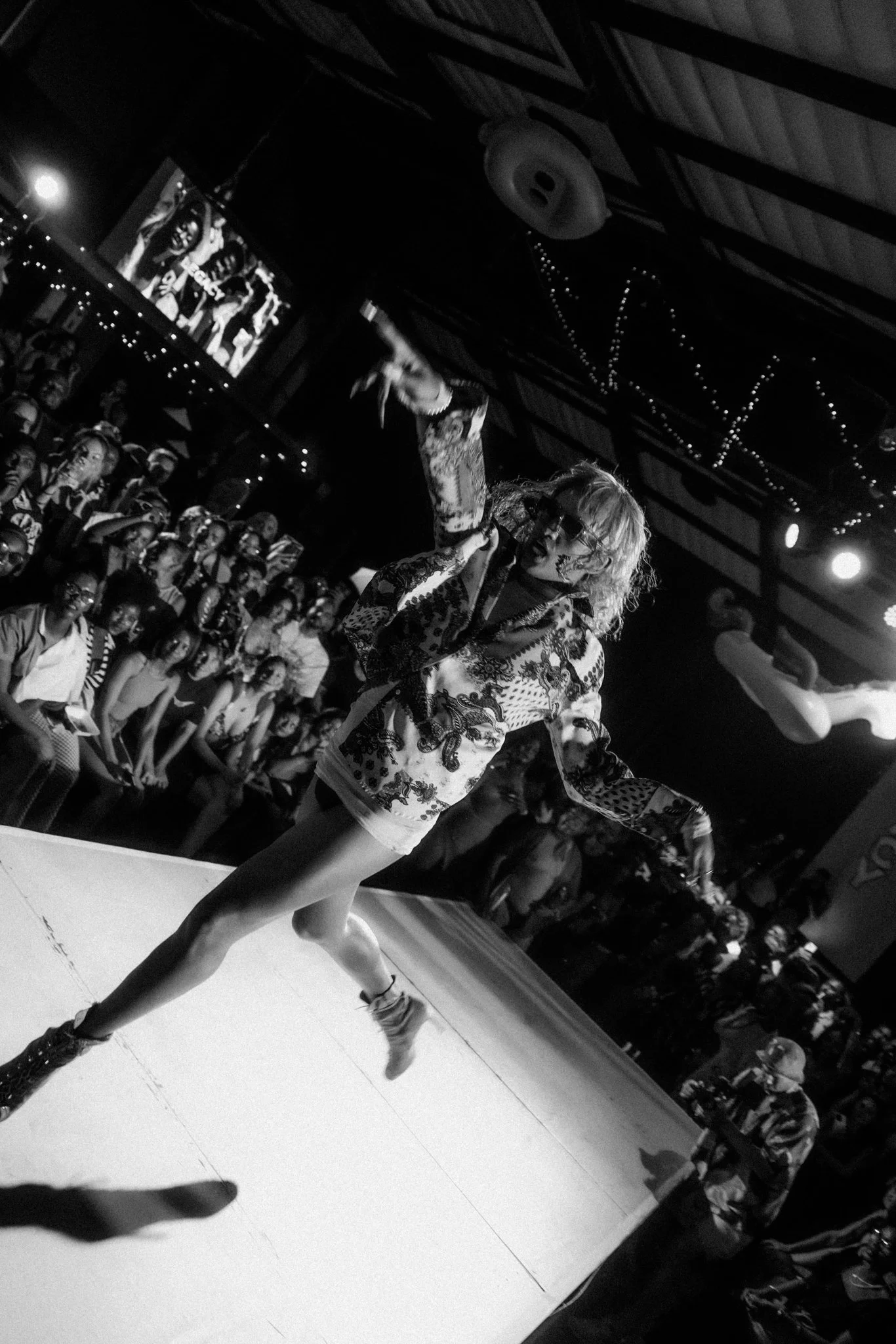
Legacy: Beach Ball, 2025. Zoey Black.
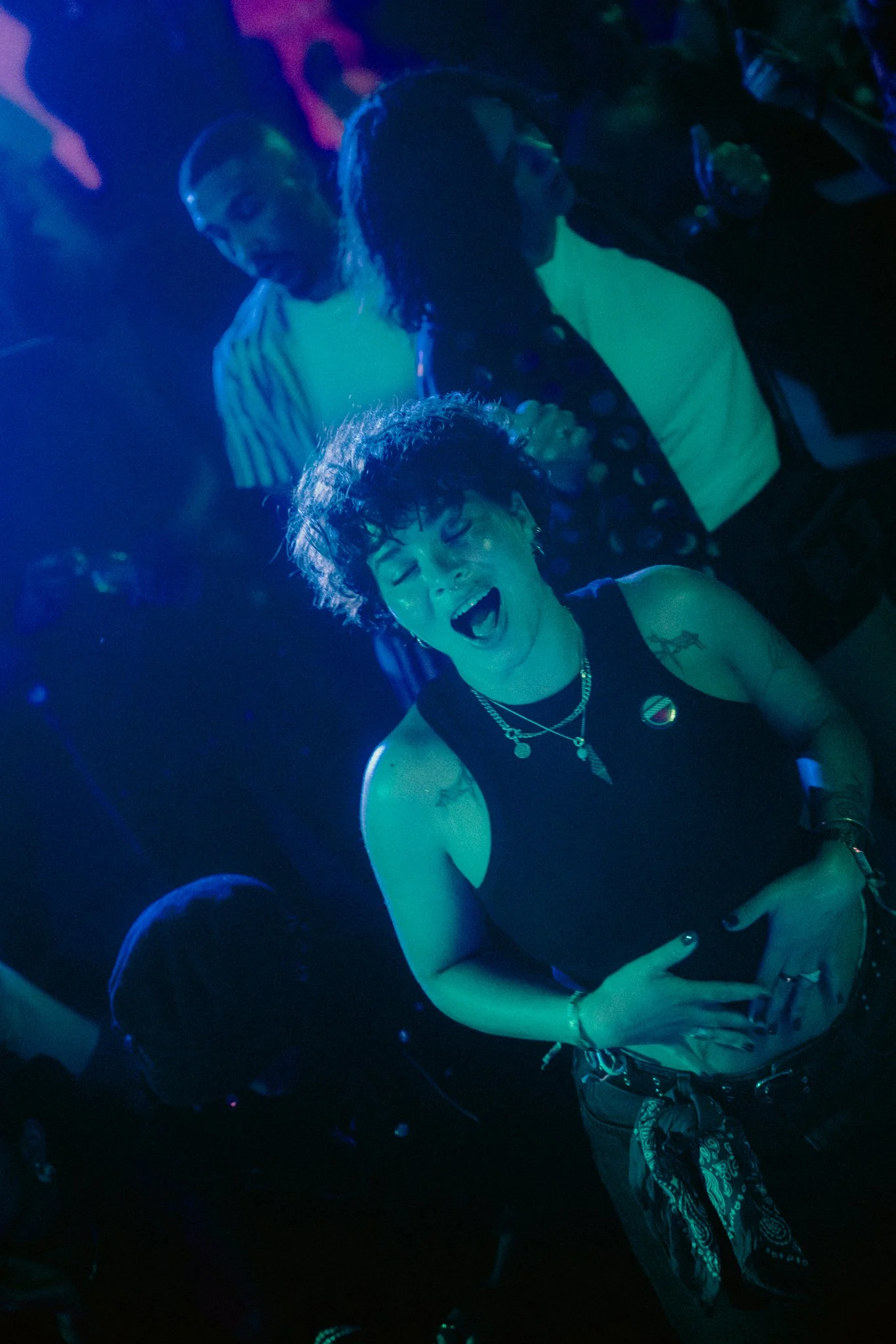
Legacy: Beach Ball, 2025. Zoey Black.
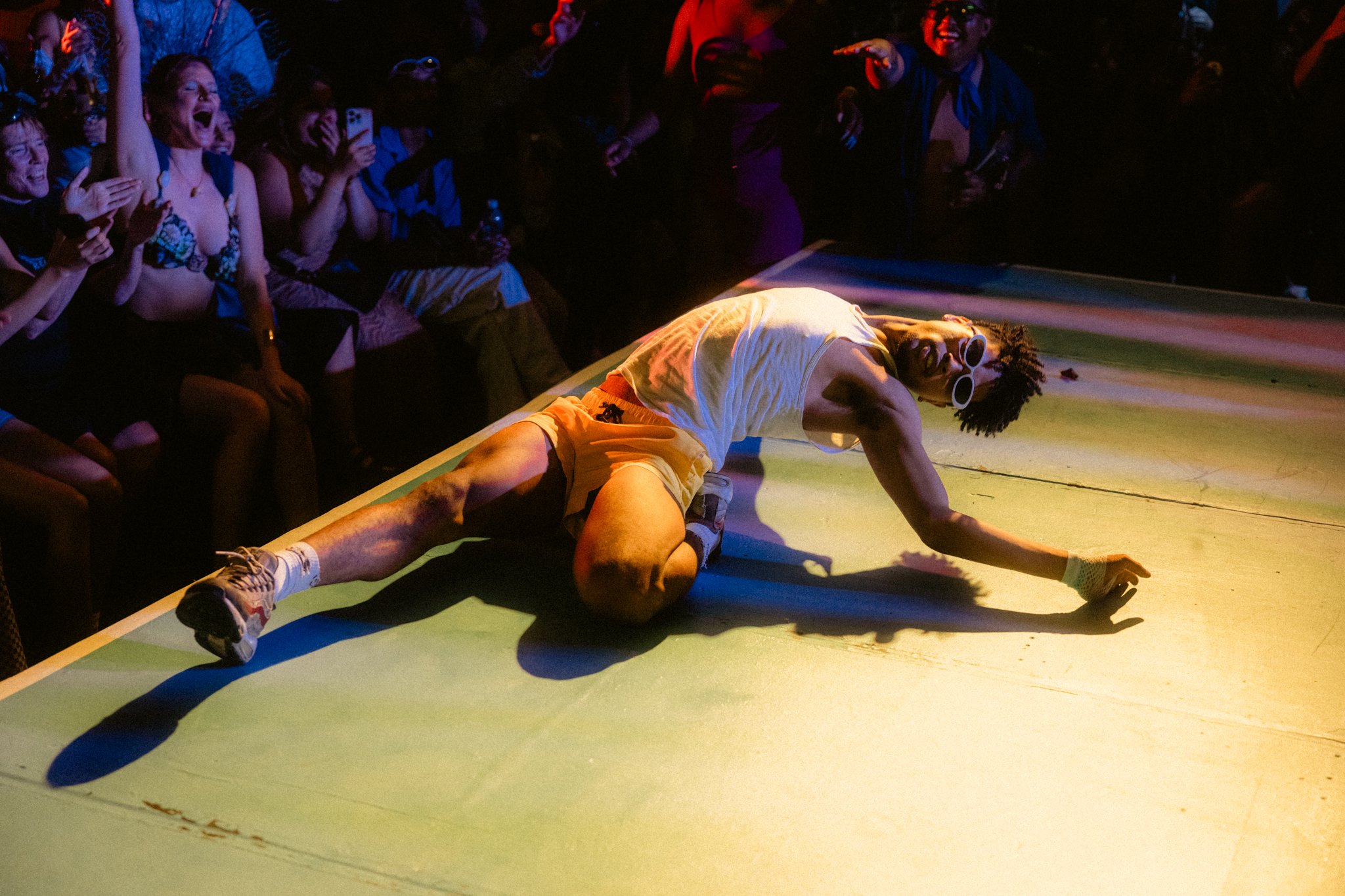
Legacy: Beach Ball, 2025. Zoey Black.

House of Vlam: Vlamageddon Ball, 2025. Zoey Black.
Legacy: Beach Ball, 2025. Zoey Black.
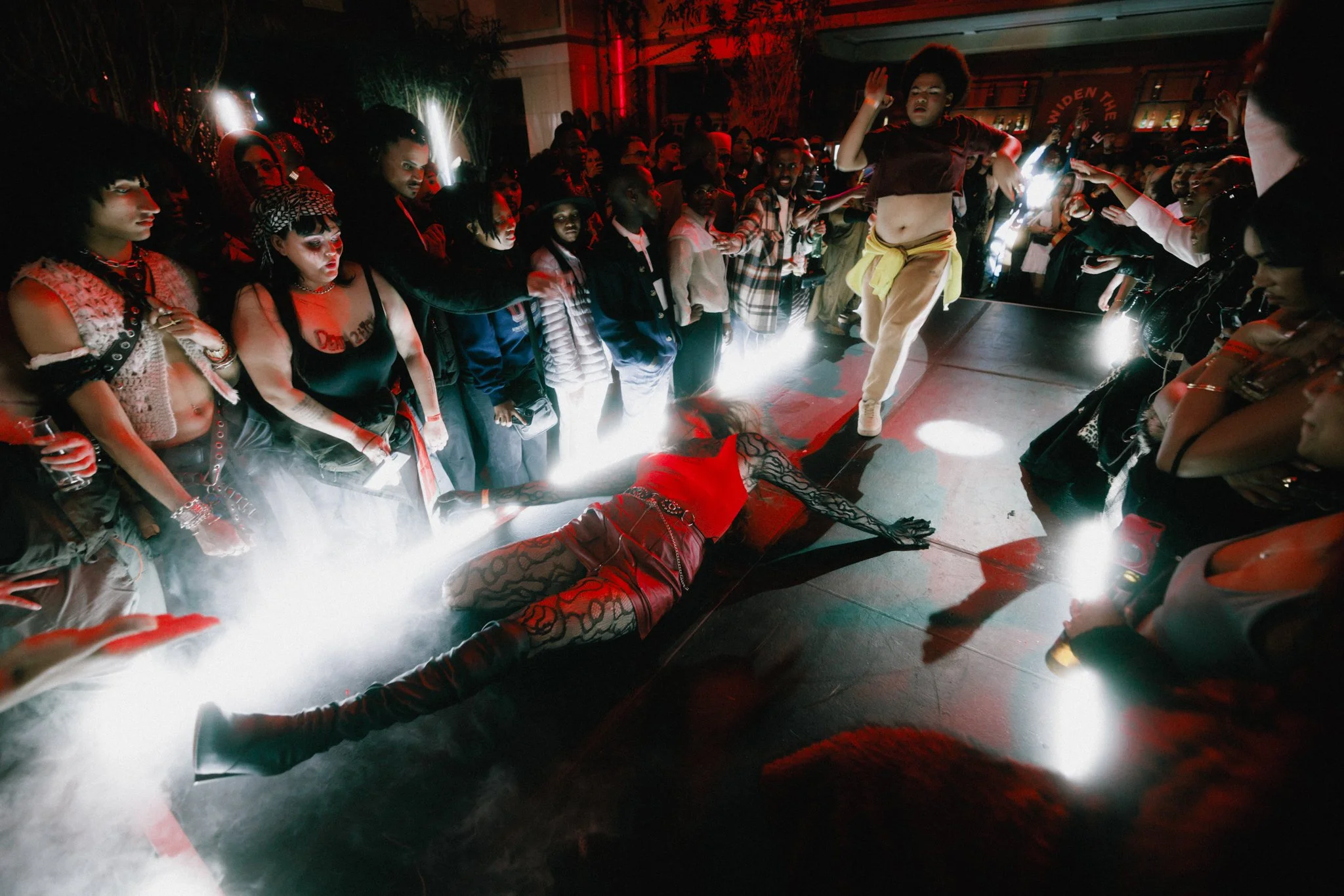
House of Vlam: Vlamageddon Ball, 2025. Zoey Black.
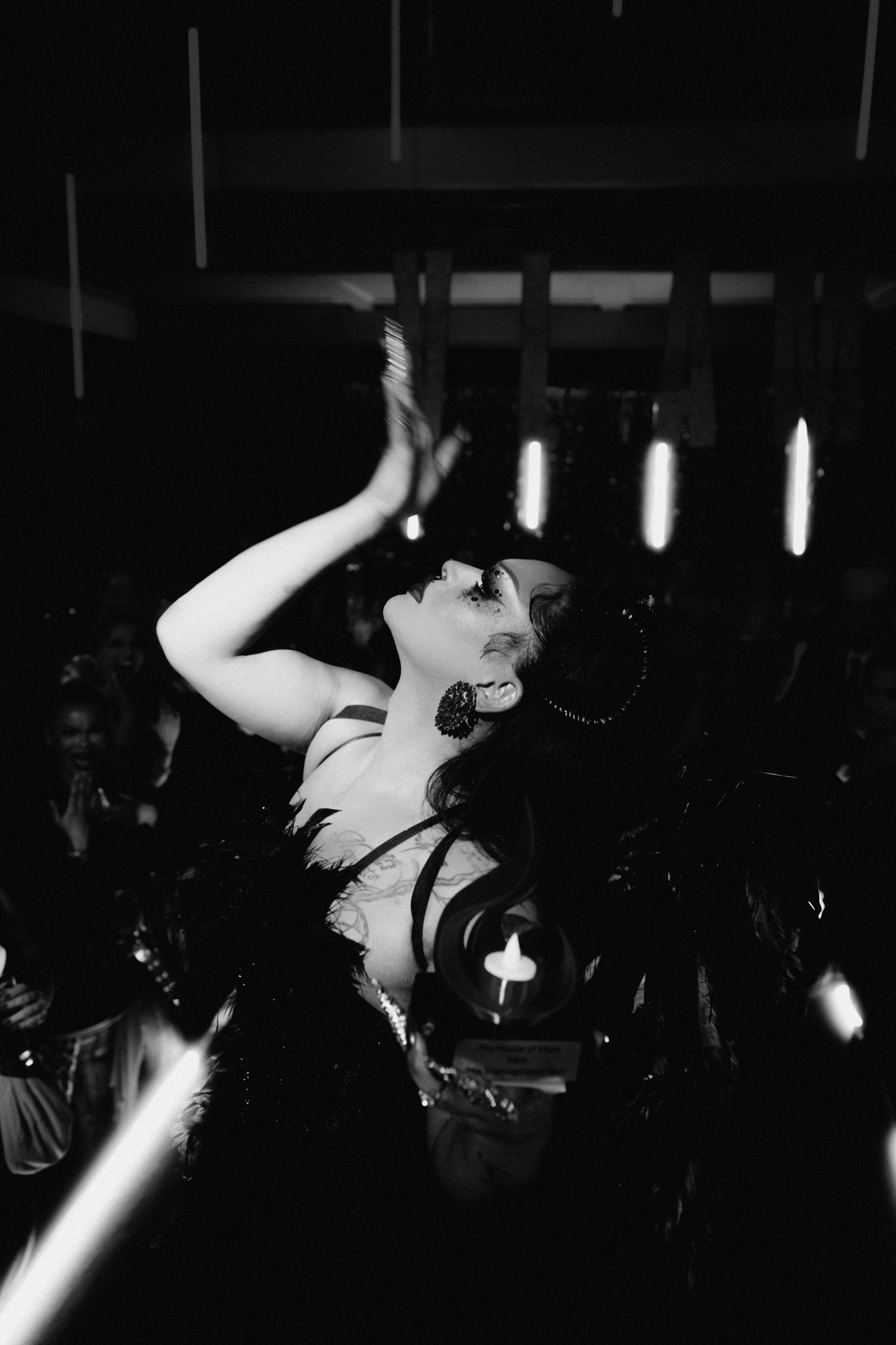
House of Vlam: Vlamageddon Ball, 2025. Zoey Black.
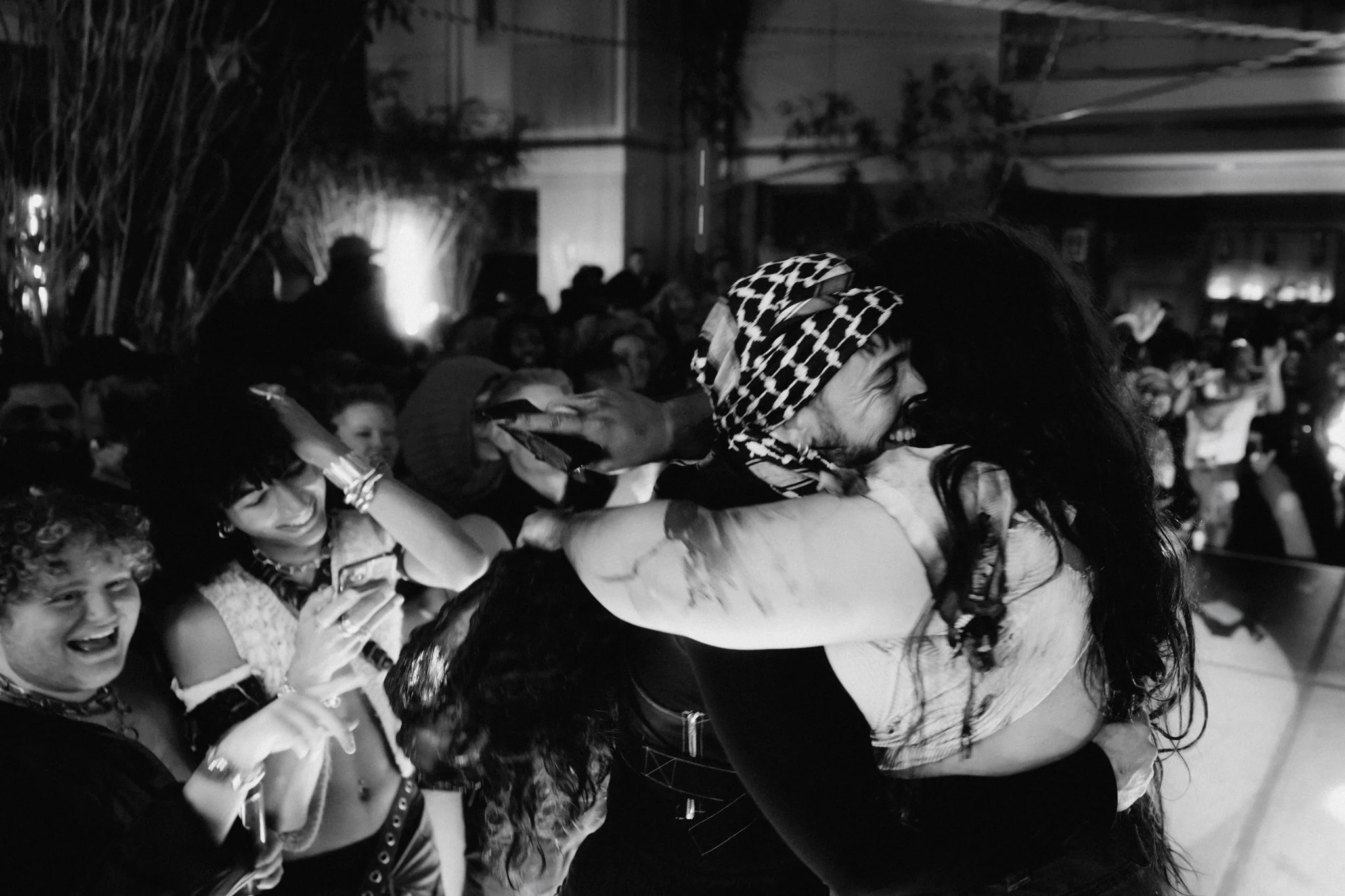
House of Vlam: Vlamageddon Ball, 2025. Zoey Black.
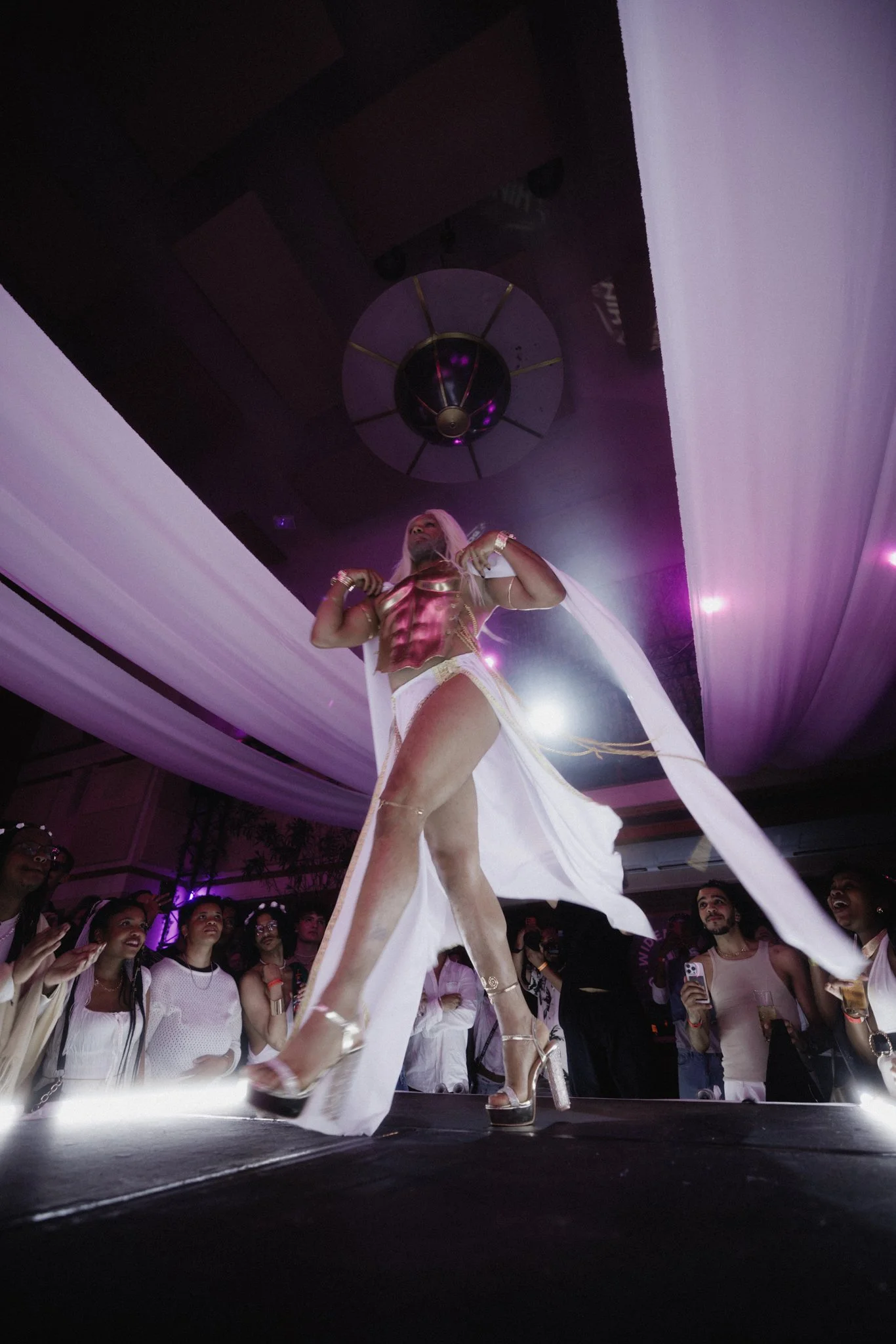
House of Vlam: Vlamageddon Ball, 2025. Zoey Black.
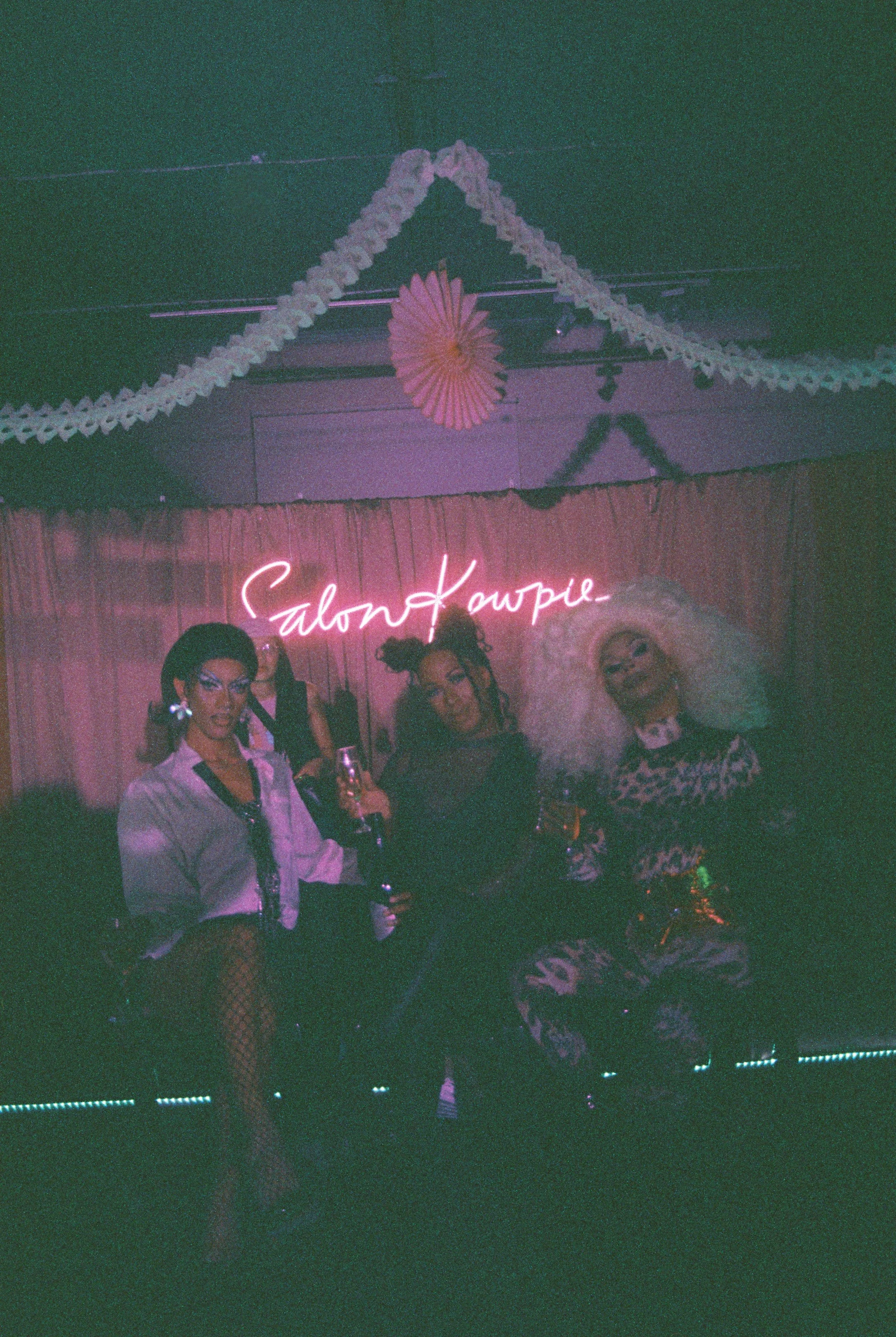
Salon Kewpie: The Legacy Ball, 2024. Zoey Black.
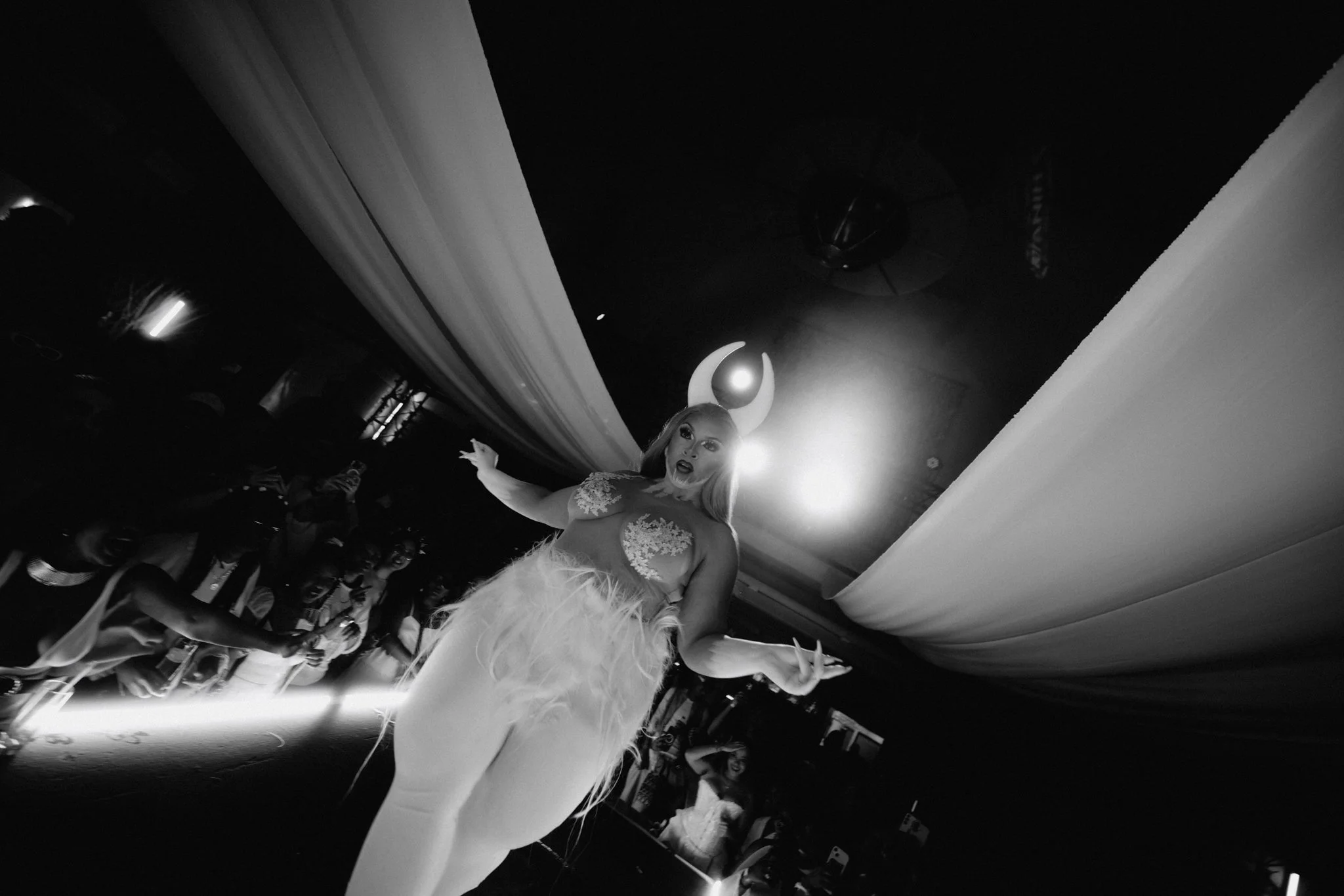
House of Vlam: Vlamageddon Ball, 2025. Zoey Black.